Steve Hammond | November 10, 2026
November 10, 2026
Selecting the proper overhead covering represents one of the most critical structural decisions any residential property owner will ever face. The ongoing competition between traditional composite products and contemporary steel or aluminum panels requires a clear, balanced evaluation of performance, aesthetics, durability, and cost. While both materials provide essential protection against harsh atmospheric conditions, their architectural characteristics and operational life cycles diverge in dramatic ways. Exploring these practical distinctions helps individuals determine which system aligns with their structural demands, personal aesthetic preferences, and budget. Taking time to weigh every mechanical attribute ensures your home secures lasting, resilient defense against nature.
Evaluating Market Popularity and Widespread Availability
When driving through typical American neighborhoods, composite materials dominate the streetscape, establishing a familiar standard for traditional residential architecture. According to RubyHome, approximately 80% of residential roofing projects utilize asphalt shingles as their primary material. This widespread usage exists because composite bundles remain accessible at virtually every building supply yard, keeping acquisition logistics simple and swift. Because inventory remains readily accessible across all states, emergency leak fixes, full replacements, and modest shingle repairs proceed without prolonged shipping interruptions. Homeowners seeking immediate exterior upgrades frequently gravitate toward this ubiquitous solution simply because production volumes and supply chains remain consistent nationwide.
Calculating Initial Outlays and Upfront Investments
Financial commitments play an immediate role when evaluating alternative building systems, heavily influencing what property owners ultimately install overhead. Standard fiberglass composite layers present an approachable barrier to entry, requiring substantially less initial capital than interlocking standing seam systems. Experienced roofers can complete tear-offs and fresh shingle placements quickly, reducing total project labor hours and lowering overhead expenses for the client. Conversely, buying premium steel or aluminum involves specialized fabrication and heavier raw metal prices, elevating initial outlays significantly. For families managing tight renovation funds or planning short-term residence, lower startup requirements make traditional shingles exceptionally attractive.
Comparing Operational Lifespans Through Material Aging
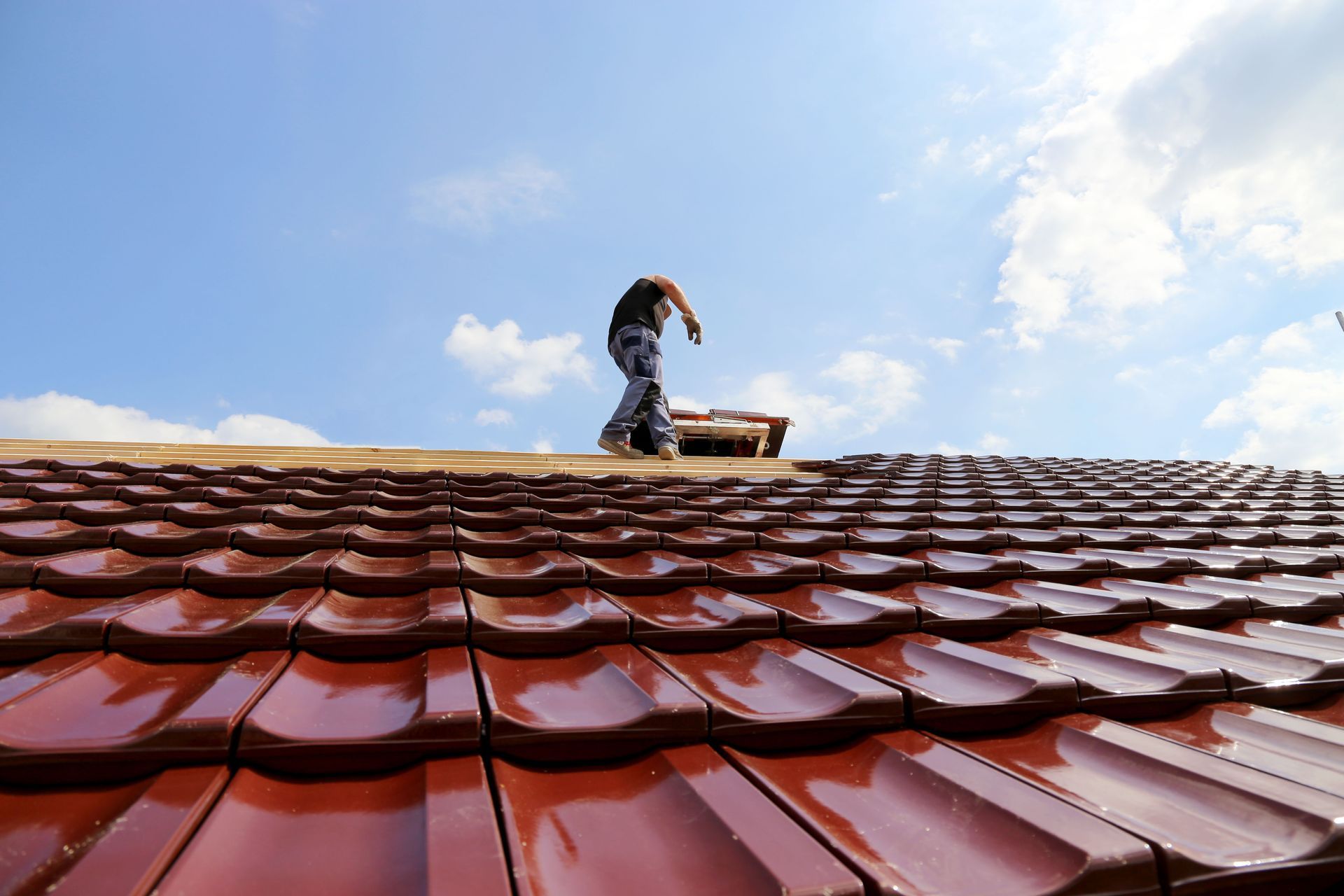
Durability over several decades illustrates the starkest contrast between manufactured organic composites and rigid architectural metals. Standard fiberglass layers steadily shed protective surface granules under solar radiation, typically requiring complete stripping and renewal after two decades. In stark contrast, quality metal panels resist degradation, lasting between forty and seventy years without structural failure or moisture intrusion. Skilled roofers frequently emphasize that installing a standing seam system represents an enduring milestone that outlasts multiple standard installations. While metal demands a steep initial investment, its resilience eliminates future tear-off cycles, rewarding long-term residents with decades of worry-free overhead stability.
Analyzing Severe Weather Resilience and Storm Defense
Extreme meteorological forces test domestic rooflines through flying debris, torrential downpours, relentless hail, and powerful wind gusts. Asphalt layers provide respectable basic shelter, yet violent gales can tear individual tabs away, exposing sensitive underlying wooden decking. Metal sheeting excels during intense storms because broad mechanical fasteners and concealed interlocking seams hold panels tightly against strong uplift forces. Furthermore, hard metallic alloys effortlessly resist penetration from falling branches or heavy hail pellets that would fracture brittle, aged composite materials. Homeowners residing along active hurricane tracks or exposed plains discover unmatched peace of mind under metallic assemblies.
Examining Fire Retardance and Enhanced Structural Safety
Fire risks represent a constant worry for properties situated near dry woodlands, rural areas, or dense urban communities. High-grade metallic panels hold noncombustible Class A fire safety ratings, which prevent airborne windblown embers from igniting the underlying structure. Asphalt varieties also feature flame-resistant fiberglass backings, yet high heat causes petrochemically based binders to soften and smolder under sustained thermal exposure. Diligent roofers know that noncombustible panels offer critical seconds of defense during surrounding brush fires, shielding attics from ignition. Prioritizing nonflammable exterior building barriers provides exceptional passive safety, potentially reducing household insurance premiums across fire-prone regions.
Understanding Thermal Performance With Energy Savings
Attic temperature regulation directly dictates monthly utility expenses, especially throughout sweltering summer months when air conditioning units labor continuously. Dark asphalt shingles absorb solar radiation, storing excessive thermal energy that radiates downward into living spaces long after dusk. Metal roofs utilize reflective coatings that bounce intense solar infrared rays away from your dwelling, preserving cooler attic temperatures. Because cooling equipment operates less frequently to counteract thermal transfer, household utility bills decrease noticeably across the hottest seasons. Upgrading to cool-metal technology helps environmentally conscious consumers reduce total carbon emissions while improving daily interior comfort.
Assessing Installation Complexities and Specialized Labor Demands
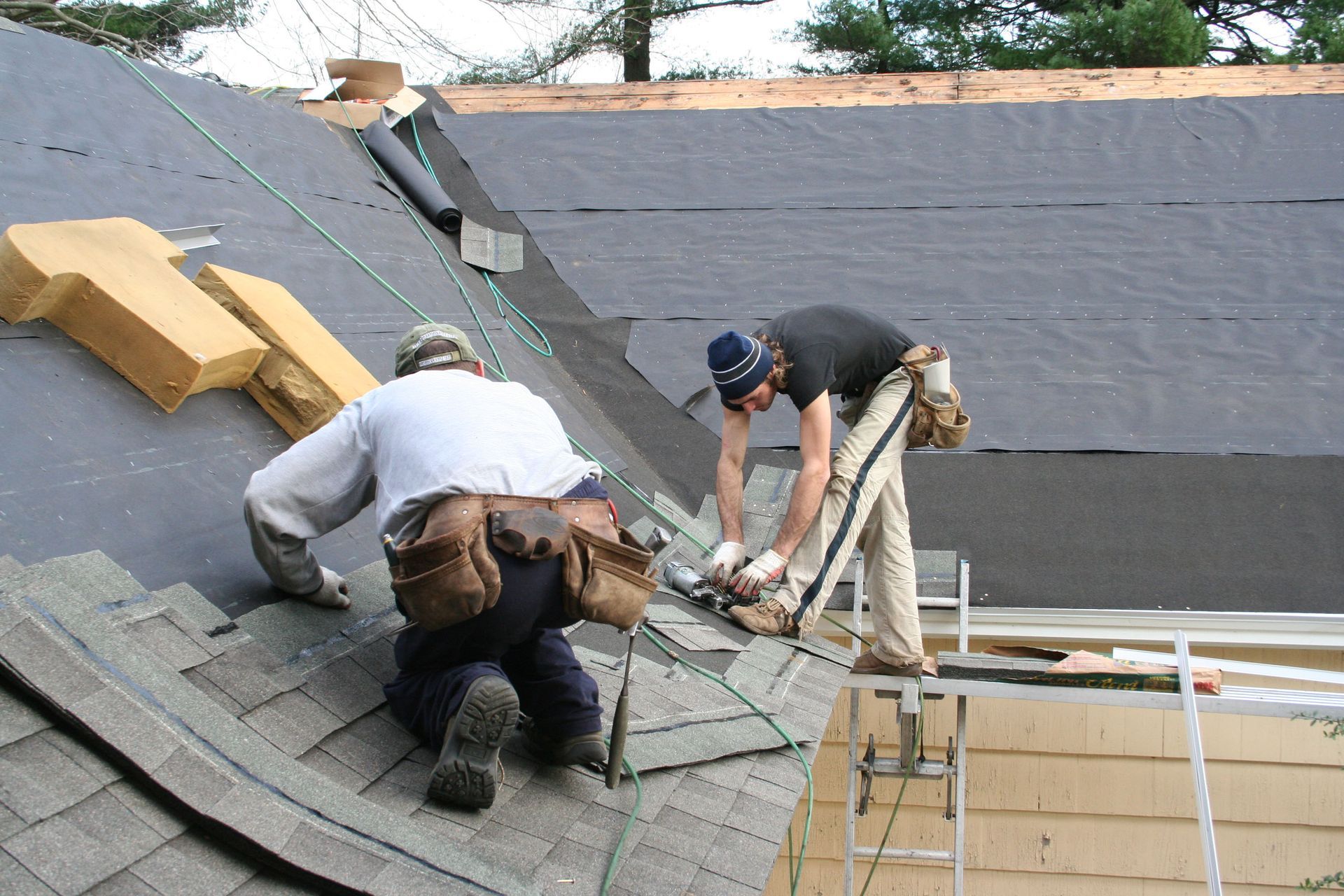
The specialized mechanical expertise needed to complete an installation cleanly varies dramatically between these two prominent roofing systems. Nailing down asphalt shingles is a standard process that many general exterior contractors handle smoothly without specialized tooling. Conversely, configuring metal flashings, transitions, and hidden clips demands comprehensive training, precise measurements, and specialized metal-bending equipment. Qualified roofers who specialize in standing seam installations take painstaking care around chimney curbs, valley junctures, and sidewall penetrations. Choosing metal requires verifying that your installation crew possesses verified technical competency, because minor measuring oversights can ruin whole panel alignments.
Weighing Aesthetic Choices for Diverse Architectural Styles
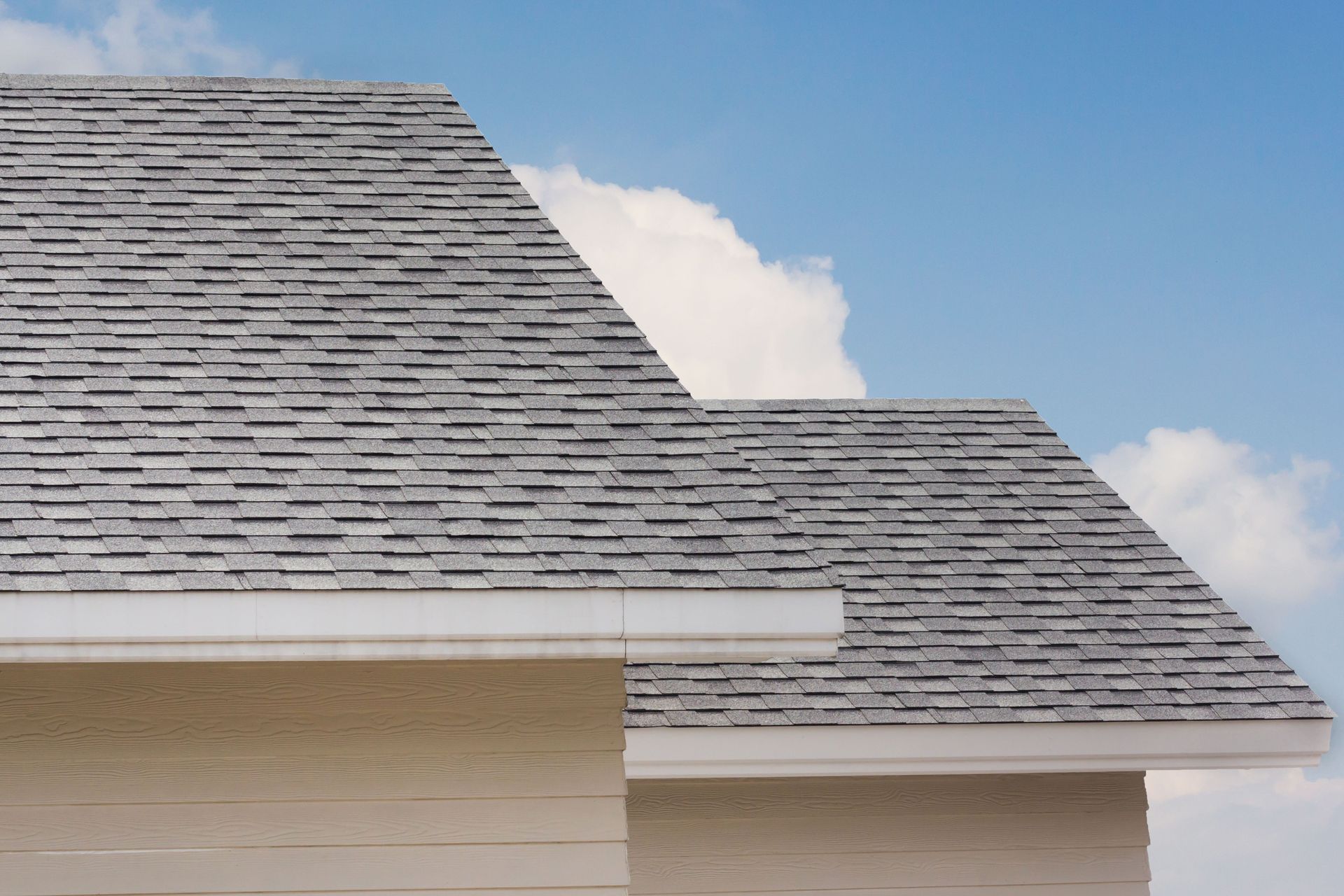
The visual appeal of your home influences neighborhood pride, architectural harmony, and ultimate resale value on the open market. Dimensional architectural shingles yield classic shadows, textured relief, and earthy color blends that complement traditional craftsman, colonial, and ranch designs. Meanwhile, the crisp, linear geometry of vertical metal panels provides modern visual appeal that suits industrial, modern farmhouse, and minimalist styles. Knowledgeable roofers help clients match profiles, ridges, and tones to existing brickwork, window trim, and surrounding siding materials. Selecting the right visual balance ensures your home stands out appealingly while preserving architectural coherence across the entire block.
Investigating Eco-Friendliness Through Sustainable Material Recycling
Environmental responsibility increasingly guides modern consumer purchases, focusing greater attention on structural product disposal and production sustainability. Every year, millions of tons of discarded petroleum-saturated shingles flow into municipal landfills, where decomposition requires centuries to occur. In contrast, metal panels incorporate high percentages of previously recycled scrap metal and remain infinitely recyclable after reaching final retirement. When steel panels eventually conclude their multi-decade utility, scrap yards process them into fresh structural products without degrading metallic purity. Choosing sustainable building resources reduces overall ecological footprints, preventing tons of hazardous debris from choking overburdened municipal waste facilities.
Navigating Acoustic Differences With Sound Dampening
Acoustic resonance during heavy rainfall or pelting sleet represents another distinctive operational contrast that surprises unprepared homeowners. Thick composite shingles absorb ambient moisture impacts quietly, insulating attic spaces from loud weather noise without supplementary ceiling baffles. Uninsulated metal installations, however, can reverberate noticeably during severe squalls unless builders place adequate sound-deadening underlayments beneath the deck. Experienced roofers mitigate potential acoustic reverberations by placing solid wooden sheathing and dense thermal insulation layers beneath the metal panels. When installers execute these soundproofing measures correctly, interior living zones remain comfortably quiet, turning raindrops into faint, gentle white noise.
Reviewing Maintenance Demands and Necessary Long-Term Care
Routine upkeep obligations heavily influence how satisfied homeowners feel with their roofing investments across extended periods of occupancy. Asphalt shingles demand frequent inspections to clear away encroaching moss, replace dislodged ridge shingles, and monitor loose mineral granules. Metal roofs require virtually zero routine maintenance, shedding accumulated debris, fungal growth, and wet snow packs with effortless ease. Occasional inspections of fastener gaskets on exposed-screw configurations represent the primary care requirement needed across several decades. Homeowners who dislike climbing ladders or paying for recurring surface cleaning appreciate the effortless, hands-off nature of polished metallic surfaces.
Weighing the merits of composite shingles against structural metal involves balancing current budgetary boundaries with future property aspirations. Asphalt offers economical accessibility, time-tested performance, and straightforward repairs, remaining a solid option for budget-conscious families seeking quick renovation turnarounds. Metal demands substantial capital upfront, yet repays that initial expenditure through extraordinary lifespan, weather defense, energy savings, and minimal maintenance. Reviewing your local climate challenges, financial capabilities, and architectural ambitions illuminates which material best serves your domestic sanctuary. Whichever direction you choose, partnering with reputable roofers ensures meticulous craftsmanship that preserves, beautifies, and shields your home for generations to come.
Are you seeking a professional team of roofers in Highland, MI, and the surrounding areas? The team at Cornerstone Roofing & Home Improvements is your go-to for all your roofing needs. Contact us today to schedule a service appointment.