Steve Hammond | October 6, 2026
October 6, 2026
Maintaining a home requires paying close attention to the structural integrity of the roof, where weather elements continuously challenge shingles, flashing, and underlying wooden decking. When unexpected leaks or visible wear occur, deciding between minor spot fixes and complete system overhauls presents a major dilemma for homeowners. Consulting a qualified roofing contractor provides essential clarity regarding the true scope of surface deterioration. These skilled experts conduct comprehensive physical evaluations to pinpoint active water entry, measure material decay, and calculate total system longevity. Understanding how specialists evaluate these critical factors empowers property owners to make informed financial choices regarding local roof replacement or targeted structural repairs.
Examining Exterior Shingle Conditions Through Thorough Visual Inspections
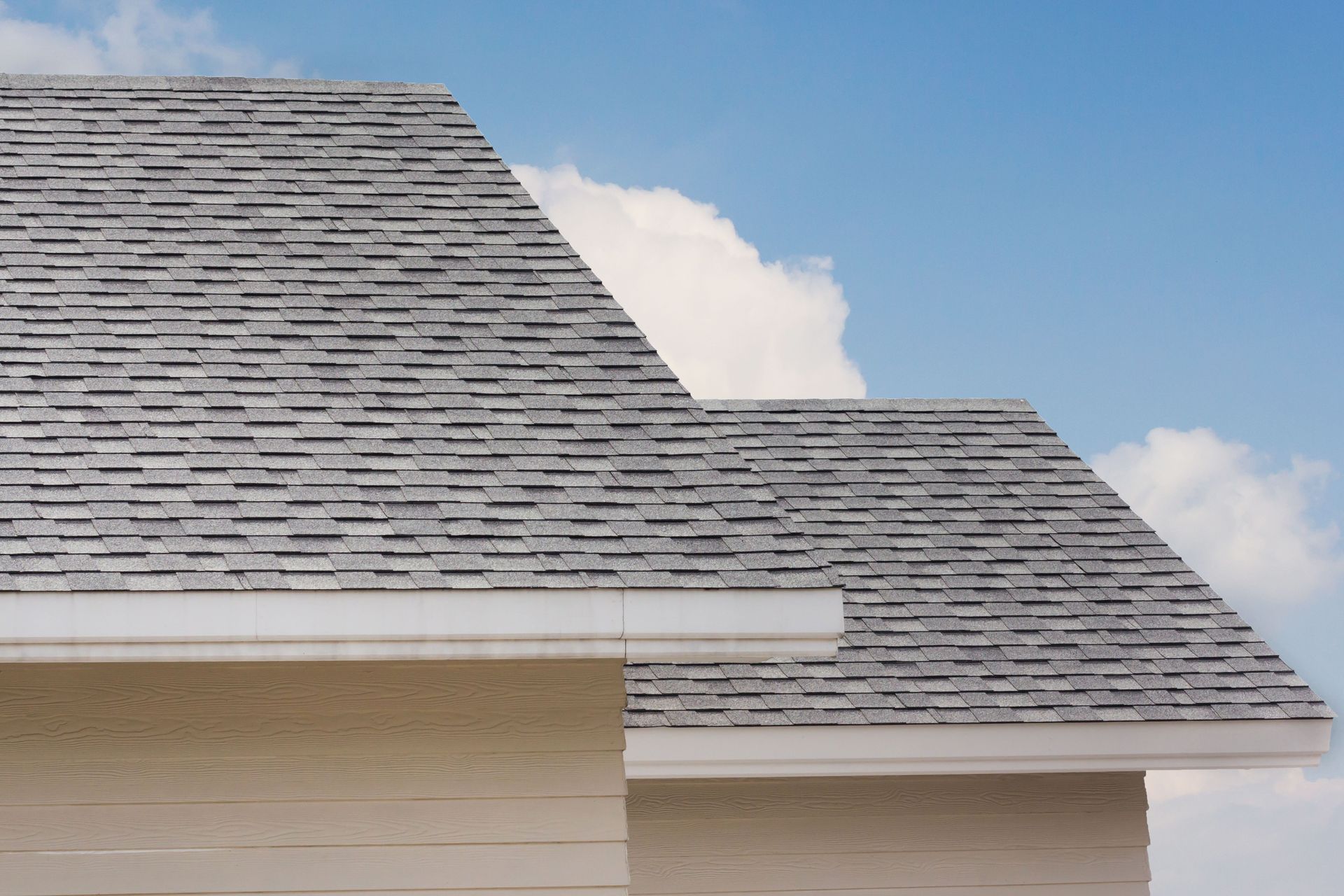
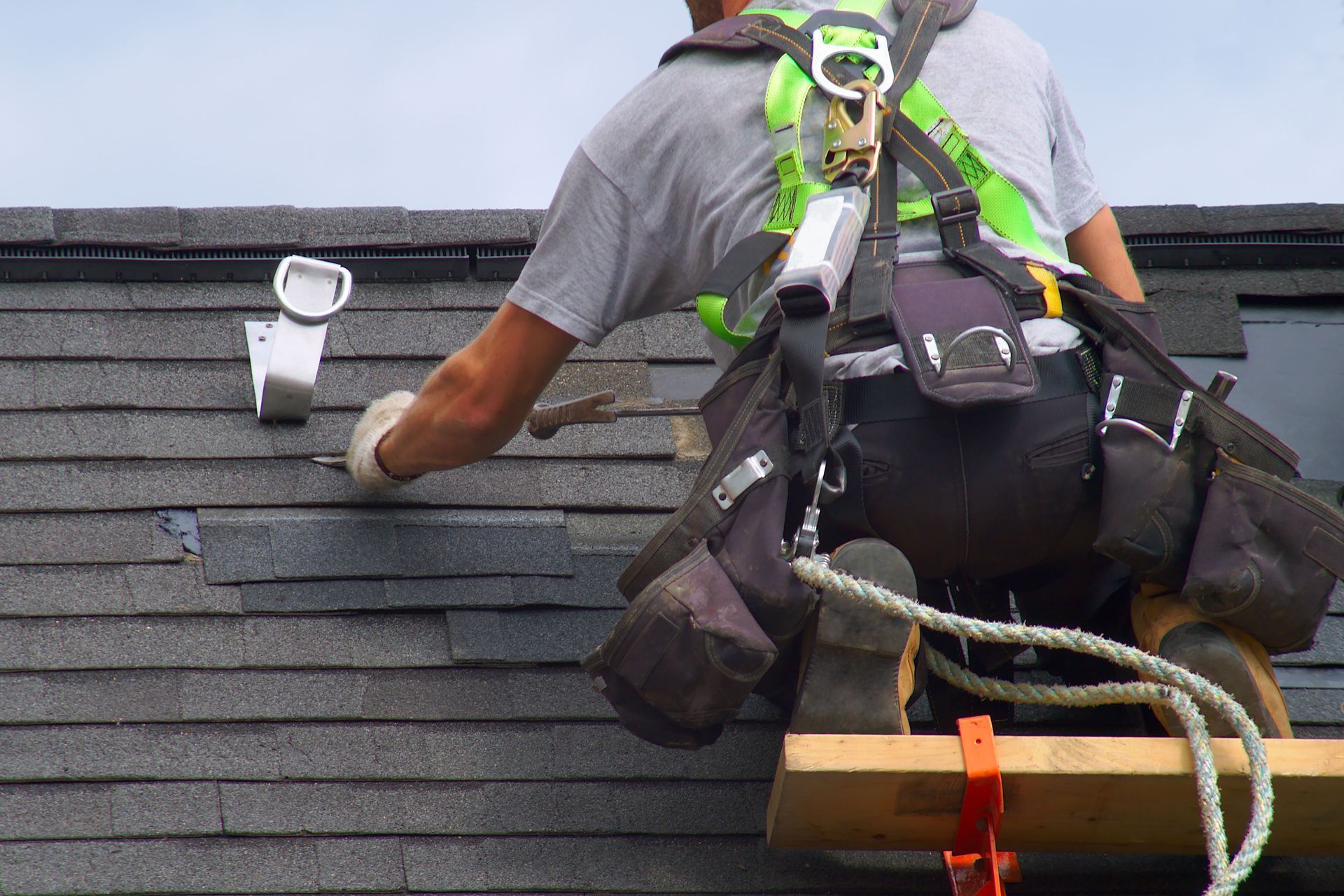
Determining the actual condition of an asphalt surface begins with a detailed physical evaluation of every exterior slope and elevation. Experienced contractors meticulously check for curled edges, missing tabs, surface blistering, and heavy granule loss inside surrounding gutter systems. When granule erosion exposes raw asphalt matting across vast sections, simple spot fixes can no longer restore adequate weather protection. If physical damage remains confined to an isolated area from wind, minor repairs resolve the issue effectively. However, widespread degradation across multiple slopes usually prompts contractors to recommend a complete local roof replacement to restore long-term structural integrity and prevent unexpected interior ceiling leaks.
Assessing Subsurface Wood Decking Integrity From Within Attic Spaces
Evaluating internal structural framing provides crucial context that exterior surface observations alone cannot fully reveal to a property owner. Contractors regularly venture into dark attic spaces to inspect rafter alignment, check insulation conditions, and look for subtle water staining on plywood sheathing. Pervasive dark moisture spots, soft sagging wood, and active mold growth indicate that rainwater has bypassed outer barriers for an extended duration. Isolated leaks near vent pipes can usually be sealed quickly without disturbing surrounding materials. Conversely, extensive wood rot across supporting decking boards forces contractors to suggest a comprehensive local roof replacement to ensure home safety and structural stability.
Inspecting Critical Flashing Connections Along Valleys and Chimney Joints
Examining high-risk transition zones where vertical walls, chimneys, and roof planes meet reveals whether targeted sealing efforts remain viable options. Metal flashing strips direct rushing rainwater away from vulnerable seams, making their precise alignment absolutely crucial for leak prevention. Over time, rusting metal, failing sealant beads, or thermal expansion can pull flashing away from masonry, allowing water beneath outer shingles. If adjacent decking and surrounding materials remain dry, replacing loose flashing restores full protection efficiently. However, if hidden moisture has decayed supporting timber across large roof intersections, contractors advise a full local roof replacement instead of minor surface patches.
Evaluating Overall System Age Against Manufacturer Expectation Lifespans
Calculating remaining service life requires comparing the current physical age of materials against established manufacturer performance expectations. Standard architectural asphalt shingles generally perform reliably for roughly two decades before adhesive seal strips fail and structural flexibility declines significantly. According to Grand View Research, the global metal roofing market size is projected to grow from USD $21.5 billion in 2026 to USD $30.6 billion by 2033. This impressive market growth reflects increasing interest in long-lasting protective materials that far outlast conventional alternatives. When an aging surface approaches its natural operational limit, frequent minor repairs become financially impractical compared to investing in local roof replacement.
Calculating Long-Term Maintenance Costs Against Full Installation Investments
Weighing recurring maintenance expenses against the overall cost of a fresh installation helps homeowners choose the most economical option. Minor storm damage on a relatively fresh surface warrants simple repairs, as surrounding materials retain full structural integrity and flexibility. Conversely, repeatedly fixing isolated leaks on an aging, deteriorating surface quickly creates a continuous financial drain while providing no real long-term security. Professional contractors analyze total historical repair expenditures alongside expected future maintenance needs. When cumulative patch costs begin approaching the cost of a new installation, contractors strongly advise a total local roof replacement to secure lasting property protection.
Analyzing Local Climate Exposure Impact on Exterior Surface Materials
Analyzing local weather patterns helps specialists determine how environmental exposure accelerates material decay across different home elevations. Constant exposure to scorching sun, heavy snow accumulation, or severe coastal winds subjects upper structures to relentless stress every season. Sun-drenched southern slopes often experience extreme heat degradation and premature shingle cracking, while northern sections remain completely intact. If thermal damage affects only one isolated section, targeted repairs can temporarily extend performance. However, when severe weather patterns compromise the structural integrity across all facing slopes, contractors recommend completing a full local roof replacement to maintain consistent weather defense across the entire home.
Measuring Granule Loss Inside Gutter Infrastructure and Downspouts
Checking collected debris inside gutter channels offers immediate insight into the remaining protective capabilities of composite asphalt shingles. Granules shield underlying asphalt coatings from destructive ultraviolet radiation, preventing rapid drying, cracking, and water penetration. Minor granule accumulation is expected on freshly installed shingles, but heavy deposits in older systems signal rapid material deterioration. When gutter troughs fill with loose mineral granules, the exposed underlying fibers absorb moisture quickly, causing fast degradation. Contractors measuring massive granule loss across multiple roof sections advise against temporary patches, recommending a comprehensive roof replacement to establish permanent weather protection for the home.
Detecting Hidden Moisture Traps With Advanced Thermal Imaging Tools
Utilizing modern infrared camera technology allows inspectors to identify concealed moisture pockets beneath outer roofing layers without invasive tearing. Infrared sensors detect subtle temperature differences caused by trapped water retaining heat longer than surrounding dry insulation materials. Identifying concentrated damp spots enables targeted repairs near leaking skylights or plumbing vents before rot spreads into framing timber. However, when thermal scans reveal widespread moisture saturation beneath entire slopes, localized fixes cannot restore structural performance. In such severe scenarios, contractors advise homeowners that executing a complete roof replacement provides the only reliable solution for restoring structural dryness and safety.
Identifying Structural Sagging Along Ridge Lines and Supporting Rafters
Observing physical dips along the primary ridge line or noticeable sagging across roof planes indicates severe internal framing distress. Drooping surfaces occur when continuous moisture exposure rots supporting wood rafters, weakening the overall load-bearing capacity of the structure. Ignoring structural sagging risks framing failure, especially under heavy winter snow loads or torrential downpours. While minor shingle unevenness can be fixed easily, noticeable structural bending requires immediate, comprehensive intervention. Contractors must remove all outer materials, repair compromised wooden rafters, and perform a full roof replacement to re-establish a flat, safe, and stable protective structure over the home.
Partnering with an experienced contractor provides essential guidance when evaluating complex structural damage, material aging, and necessary home investments. Professional inspections remove guesswork, helping property owners understand when simple repairs suffice and when full system overhauls become unavoidable. Selecting high-quality materials and ensuring proper installation techniques safeguards home interiors against harsh weather elements for decades to come. By relying on thorough physical evaluations, precise structural assessments, and expert contractor recommendations, homeowners can protect their property value effectively. Making timely maintenance choices ensures your family stays warm, dry, and secure under a strong, beautifully constructed overhead system through every passing season.
Are you seeking professional local roof replacement services for your home in Highland, MI, and the surrounding areas? The roofing experts at Cornerstone Roofing & Home Improvements have you covered! Whether you're seeking a roof replacement, repairs, or an inspection, we are ready to assist. Contact us today to schedule your next service appointment.