Steve Hammond | May 7, 2026
May 7, 2026
A local roof replacement is a significant undertaking for homeowners, often entailing substantial financial investment and a need for high-quality craftsmanship. The balance between affordability and quality can be challenging to achieve, yet it is essential for the long-term resilience and aesthetic appeal of a home. As such, uncovering affordable roof replacement solutions without compromising quality is crucial in today's economy.
Understanding local roof replacement options and market dynamics paves the way for making informed decisions. Homeowners often find themselves overwhelmed by the plethora of choices, ranging from those presented by material suppliers to the services of local contractors. Thus, an insightful approach to evaluating these options can mitigate unnecessary expenses and ensure optimal solutions.
This article delves into understanding local roof replacement necessities, exploring suitable materials, locating reliable contractors, and ensuring quality craftsmanship. By comprehensively covering these aspects, homeowners can confidently navigate their roof replacement projects, ensuring both sound investment and peace of mind. The ultimate goal is to guide in finding a balance between cost-effectiveness and superior quality standards.
Understanding Roof Replacement Necessities
Signs That Indicate You Need a Roof Replacement
Numerous signs indicate the necessity for a roof replacement, including persistent leaks, extensive visible damage, and aged materials. Regular inspections should match sudden changes in the roofing structure, such as sagging, which may indicate structural weaknesses. Missing or cracked shingles might also indicate deterioration, necessitating replacement over temporary repairs.
Furthermore, the presence of dark streaks and moss, commonly mistaken as insignificant, often introduces moisture retention, leading to broader issues. Inaction on these signs jeopardizes the structural integrity of the entire house, exposing it to potential water damage and extensive restoration costs. Hence, early detection and proactive replacement are critical to averting future complications and safeguarding investment.
Routine checks and understanding these indicators can save homeowners from unforeseen emergencies. Proactively planning based on these signs facilitates timely local roof replacement, maintaining the structural soundness of the home. Such diligence ensures the overarching intent of safeguarding the home while optimizing financial resources.
Common Types of Roofing Materials and Their Lifespan
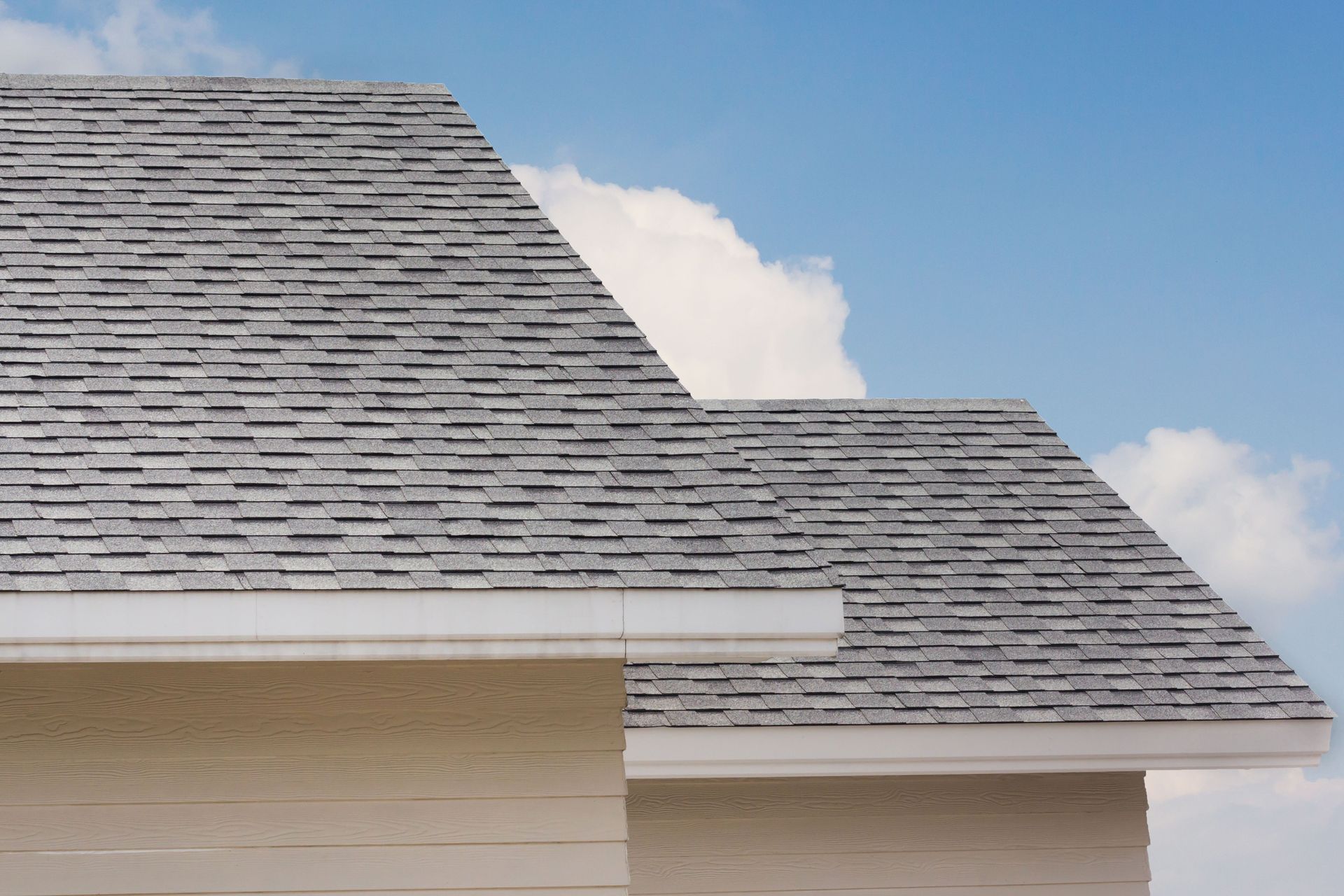
Understanding different roofing materials and their lifespan is fundamental in making informed local roof replacement decisions. Asphalt shingles, which represent a commanding 73% share of the residential roofing market in the U.S., according to Roof Link, are celebrated for their cost-effectiveness and simplicity in installation. However, they typically offer a lifespan of 15 to 30 years, requiring consideration for longer-lasting alternatives if sustainability is a concern.
Innovative options such as green and synthetic materials also offer sustainability and cost advantages. However, their varying lifespans necessitate careful evaluation against personal long-term objectives. Ultimately, understanding the lifespan and attributes of each material equips homeowners to align their roofing choice with their financial and structural goals.
Evaluating the Extent of Roof Damage
Ascertaining the extent of roof damage before a local roof replacement necessitates a professional assessment to determine precise requirements. Initial evaluations should consider both surface damage and underlying structural concerns due to weather conditions or aging. Visible signs like punctures or worn spots can be symptomatic of deeper issues requiring thorough analysis.
Professional inspections provide invaluable insights into the root cause, facilitating accurate estimations of replacement needs. Extensive damage diagnosis allows homeowners to explore appropriate solutions, potentially saving on unnecessary expenses in the long term. Engaging roofing experts ensures that assessments factor in all possible causes behind the evident symptoms.
The contrast between repairable damage and the necessity for full replacement emerges only from a comprehensive evaluation. Investing in professional assessments early can preempt larger costs associated with unexpected issues. As such, thoroughly understanding roof damage confirms the necessity and degree of replacement, optimizing both cost and lifespan.
The Impact of Weather and Environmental Conditions
Weather and environmental conditions play a vital role in the lifespan and durability of roofing materials. Regions prone to extreme weather patterns, such as hurricanes, heavy snowfall, or intense UV exposure, demand materials offering robust resistance. Failure to align material choice with environmental conditions can lead to premature deterioration and frequent roof issues.
Climate-specific considerations often necessitate distinct approaches in strategic planning, influencing both material selection and replacement timing. Homeowners should prioritize local roof replacement solutions that cater to prevailing climatic challenges, thus promoting longevity and resilience. Careful alignment with environmental requirements optimizes durability and minimizes maintenance demands.
Understanding and counteracting the localized environmental implications not only ensures optimal performance but also promotes sustainability. Minimizing environmental impact through informed choices protects both the structure and ecosystem, affirming the homeowner's long-term commitment to sustainability. Consequently, meticulous planning aligned with regional characteristics is an indispensable aspect of successful roof management.
Cost Implications of Delaying Roof Replacement
Delaying local roof replacement can significantly elevate the eventual financial burden due to compounded damages and escalating issues. Procrastination in addressing evident roofing problems often results in water damage or structural weaknesses, culminating in costly restorations. Additionally, prolonged exposure to deteriorating materials can potentially disrupt living conditions and necessitate urgent repairs.
Introducing a strategic approach to timely replacement helps mitigate the risk of unexpected expenditures by adhering to preventive plans over reactive solutions. Investing in replacement at the opportune time also enhances property value and utility, yielding economic benefits beyond immediate repair costs. Homeowners should prioritize understanding the potential repercussions of delay, promoting proactive strategies.
Beyond monetary considerations, avoiding unnecessary delays aligns with environmental sustainability by alleviating unnecessary resource consumption. Approaching roof replacement as a cyclical necessity rather than an emergency resolution enhances planning efficacy. The foresight in recognizing and mitigating the cost implications of deferment ensures long-term economic and structural efficiency.
The Pros and Cons of Metal Roofing
Metal roofing, though initially perceived as expensive for local roof replacement, presents long-term economic advantages due to durability and minimal maintenance. Extolled for their exceptional longevity and energy efficiency, metal roofs remain viable choices for sustainable living. Long-term resistance to elemental damage further amplifies its appeal to homeowners conscious of recurring maintenance expenditure.
Despite higher upfront costs, metal roofing's longevity and cooling properties promote operational savings over time. However, its energy efficiency benefits are limited in extreme climates, necessitating supplementary insulation for optimizing performance. Noise sensitivity and aesthetic limitations might deter some homeowners, influencing material popularity based on personal preference.
Alternatives such as standing seam or corrugated metal provide differentiation while retaining functional merits. Intentional evaluation encompassing lifestyle requirements and long-term cost forecasts assists in balancing short-term investment and enduring benefits. Such reflection ensures maximizing financial expediency and aligning roofing solutions with environmental consciousness.
Choosing the right roofing materials, contractor, and project timeline can make a major difference in the long-term value of a home. A local roof replacement should be planned with care, especially when homeowners want dependable craftsmanship, durable materials, and a practical approach to cost. By recognizing signs of roof damage early, comparing material options, and working with qualified local professionals, homeowners can make more confident decisions about their roofing project.
Affordable roof replacement does not have to mean cutting corners. With the right planning, homeowners can protect their property, improve curb appeal, and support the long-term performance of their roofing system. Whether the priority is budget, durability, energy efficiency, or overall appearance, a thoughtful local roof replacement can help create a stronger and more reliable home for years to come. Contact Cornerstone Roofing & Home Improvements today for more.