September 10, 2026
As the air turns crisp and temperatures begin to drop, preparing your home for the cooler months becomes a top priority. While many property owners clear out gutters and check heating systems, the structure protecting everything underneath often gets overlooked. Metal roofing systems are known for their exceptional durability and long lifespan, but seasonal transitions bring unique environmental challenges. Expanding and contracting metals, freezing moisture, and accumulating debris can test the limits of even the most resilient material. Engaging professional roofers before severe autumn weather or winter snow sets in ensures that small issues do not turn into costly repairs. Taking a proactive approach now helps safeguard your home, maintains energy efficiency, and provides peace of mind as the cold weather approaches.
Understanding the Impact of Seasonal Temperature Shifts on Fasteners
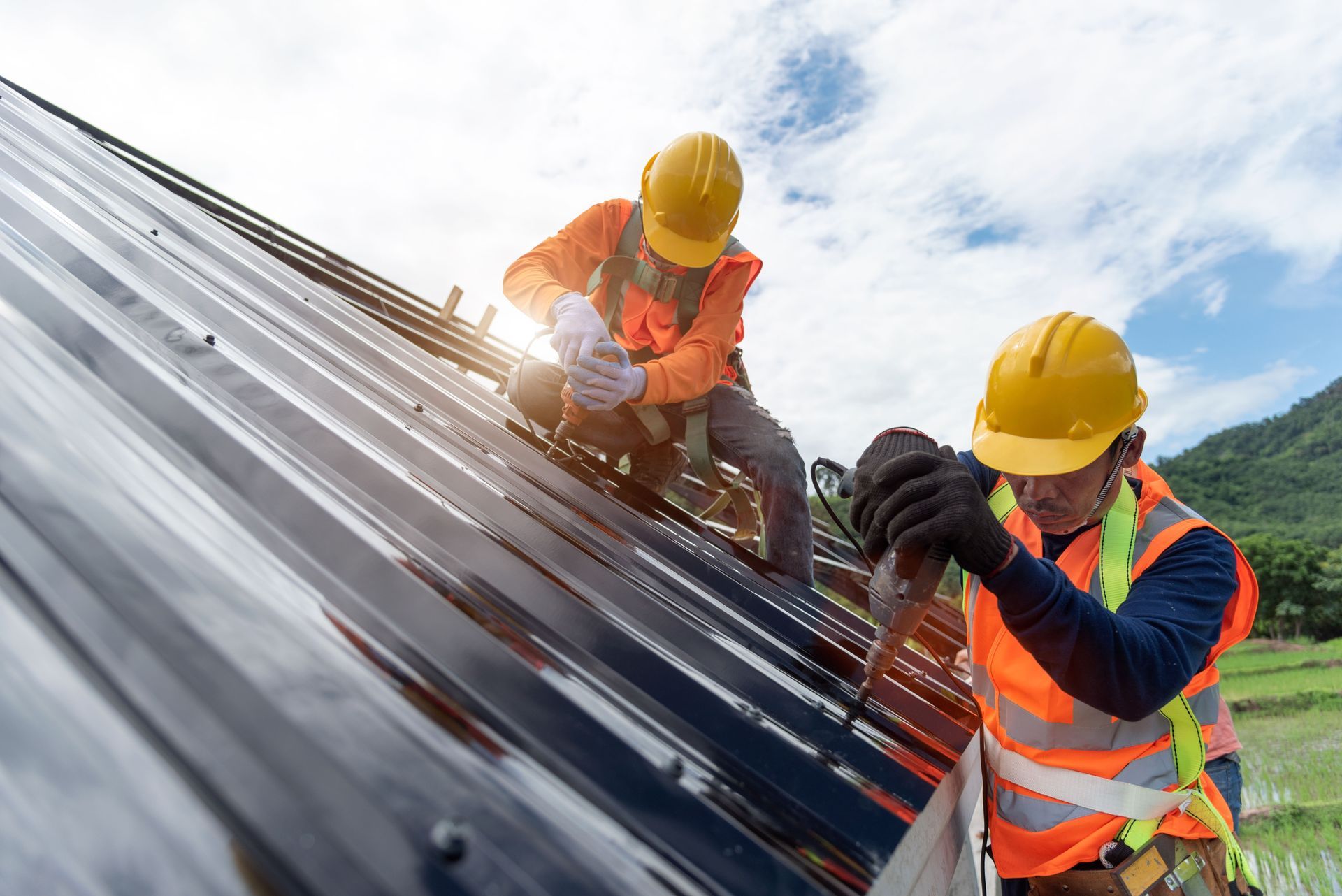
One of the primary characteristics of metal paneling is its tendency to expand and contract as ambient temperatures fluctuate throughout the year. During warm summer days, metal panels expand, and as cooler autumn nights arrive, they contract rapidly. This constant movement places considerable stress on the fasteners that secure the panels to the underlying deck. Over time, screws can back out, rubber washers can degrade, and minor gaps can develop around the attachment points. Experienced roofers understand how thermal movement affects different types of metal assemblies and can identify loose or compromised hardware before wind and moisture penetrate the surface. Addressing fastener issues ahead of freezing weather prevents water from seeping into small openings and expanding as it freezes, which could otherwise cause structural damage to your framing.
Identifying Damaged or Degraded Rubber Boot Seals
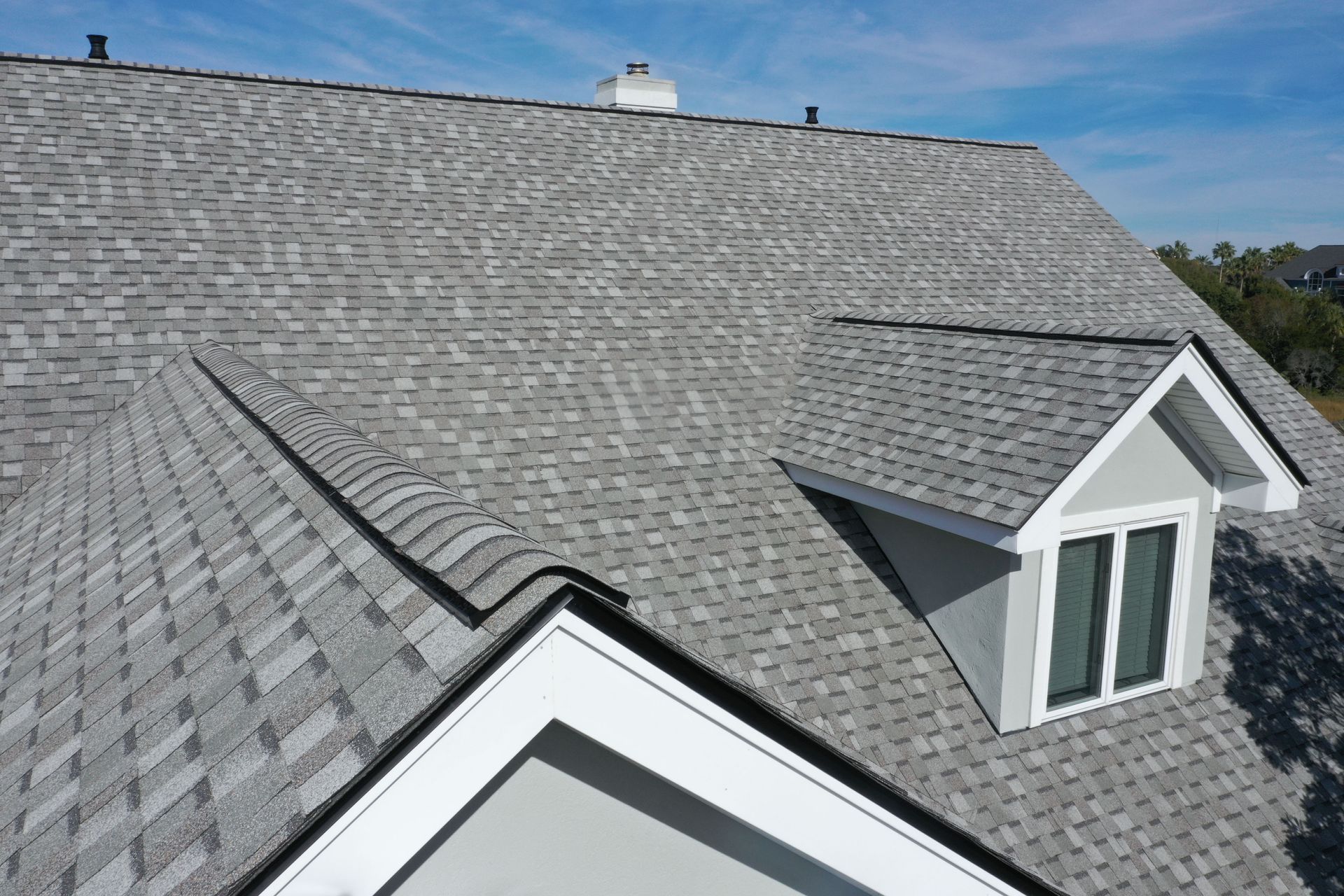
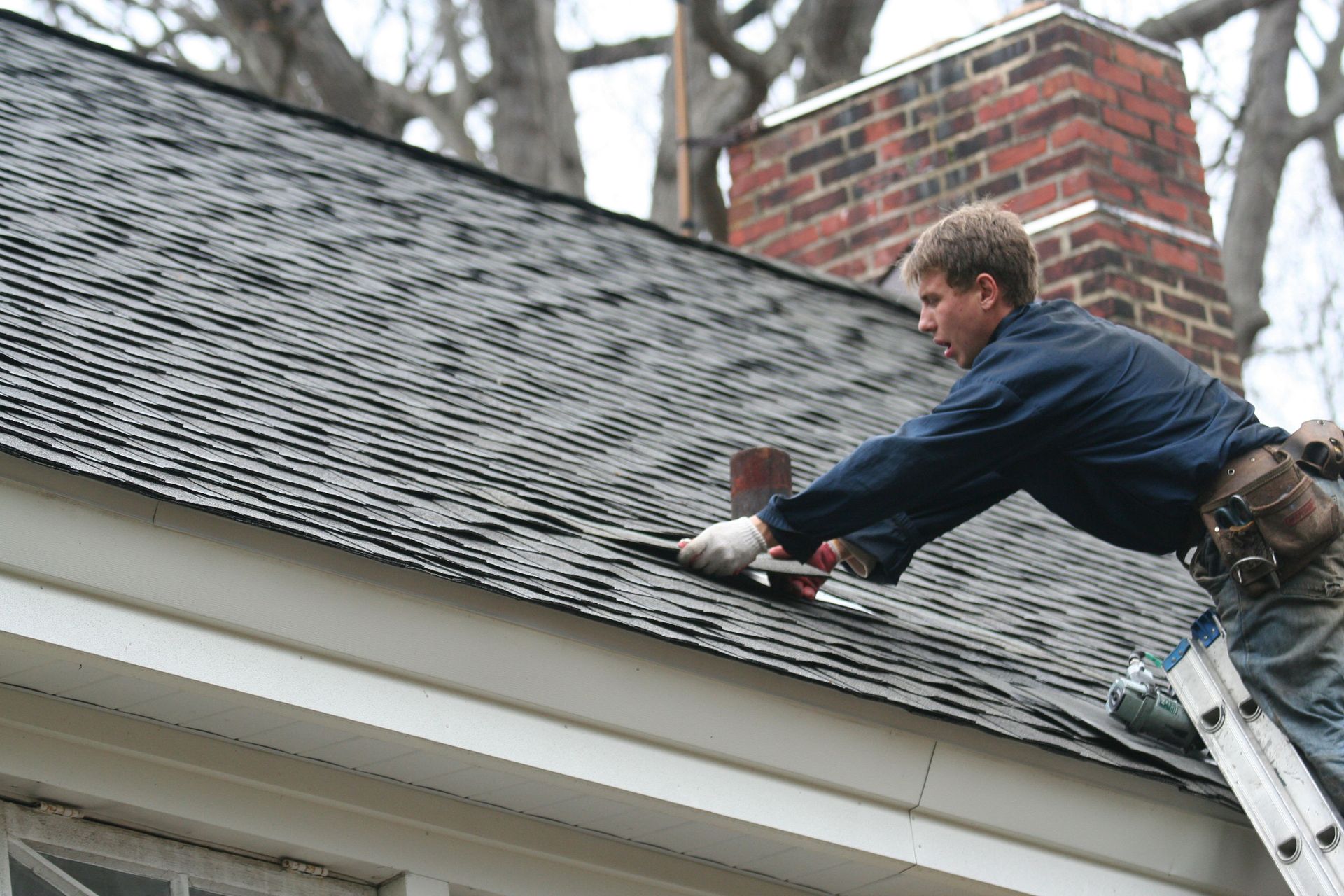
Penetrations such as vent pipes, chimneys, and skylights require specialized flashing and rubber boot seals to keep water from entering your home. Exposure to intense summer sunlight and ultraviolet radiation causes these rubber components to dry out, crack, and lose their elasticity. As cooler weather brings increased rainfall and eventual snowfall, cracked seals offer zero resistance against moisture intrusion. Professional roofers regularly inspect these high-risk areas during seasonal evaluations to determine whether seals need to be resealed or replaced. Catching a deteriorating pipe boot before the winter freeze ensures that melting snow around warm roof vents does not seep directly into your attic space or ceiling drywall.
Evaluating Panel Overlaps and Seams for Separation
The seams where individual metal sheets overlap are critical defense lines against wind-driven rain and snow. Over time, structural settling, strong seasonal winds, and thermal contraction can cause seam sealants to pull apart or panel edges to lift slightly. When seams lose their tight bond, moisture can become trapped between the panels or find a path underneath the protective underlayment. Skilled roofers possess the technical knowledge needed to evaluate standing seams and exposed fastener laps to ensure they remain completely watertight. According to This Old House, you should have your roof inspected a minimum of once every 12 months. Having a qualified team perform this annual checkup in the fall gives you the opportunity to secure loose seams before heavy winter conditions exert extra pressure on the structure.
Checking for Accumulation of Organic Debris and Trapped Moisture
Falling autumn leaves, small twigs, and pine needles frequently collect in the valleys, gutters, and low-slope areas of a building. While metal surfaces generally shed debris better than traditional materials, accumulated organic matter traps moisture against the protective factory coating. Prolonged exposure to damp debris can lead to premature surface corrosion, staining, and blocked drainage paths. Local roofers recommend clearing these areas prior to the first frost to maintain proper water runoff. Removing trapped leaves and dirt ensures that rainwater flows freely off the edges rather than backing up under metal flashing or overflowing into your home foundation.
Assessing the Condition of Protective Surface Coatings
Factory-applied finishes and paint systems do more than give your home an attractive appearance; they act as an essential shield against atmospheric corrosion and moisture. Over the years, hail strikes, falling branches, or abrasive airborne particles can chip, scratch, or wear down these protective coatings. Once the raw metal beneath is exposed to damp air and condensation, oxidation can set in quickly. Certified roofers can perform a thorough surface analysis to locate microscopic cracks, chalking, or scratches in the finish. Touching up damaged paint layers before winter condensation and road salt particles settle on the roof prevents rust spots from spreading across the panels.
Inspecting Flashing Around Chimneys, Valleys, and Edges
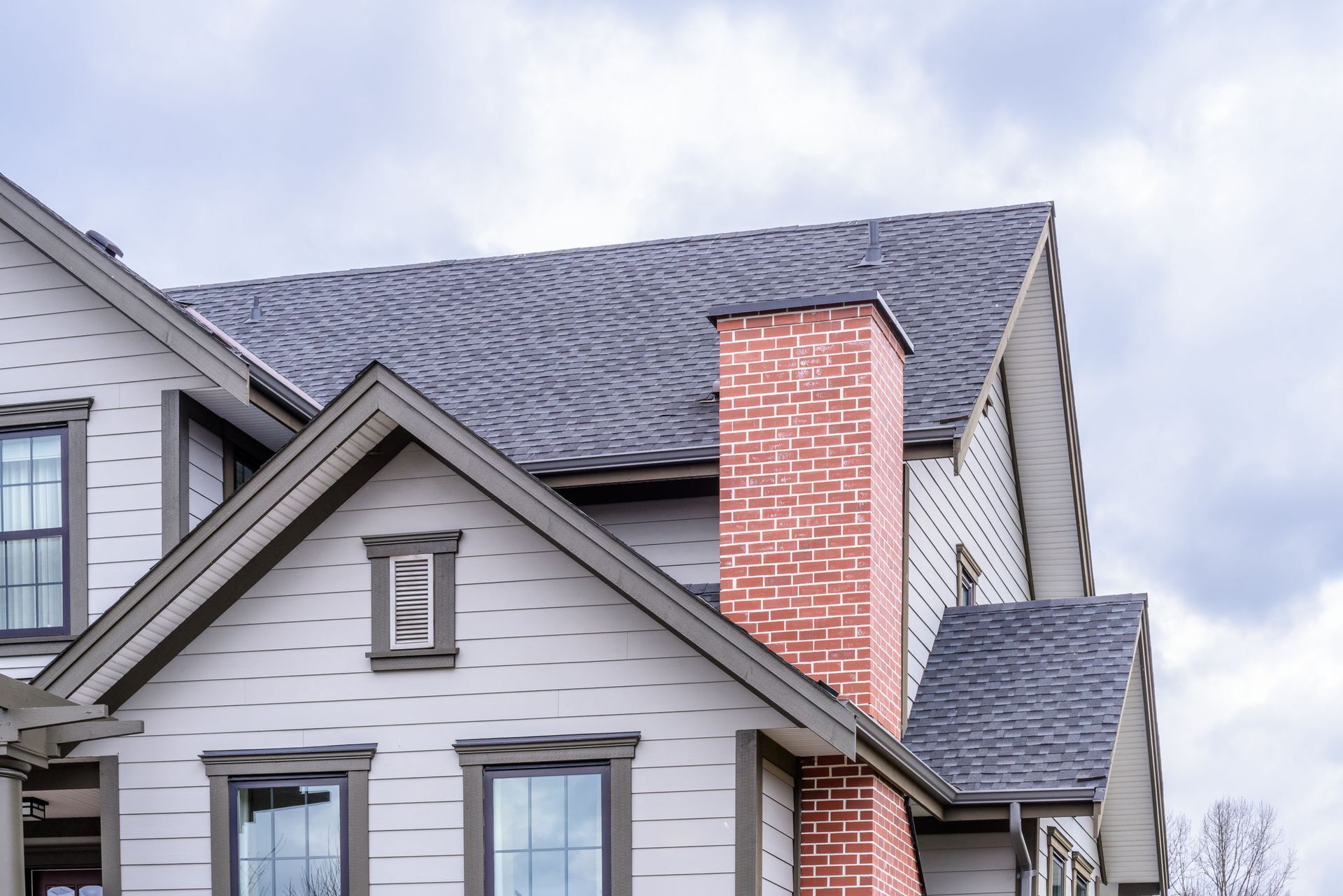
Flashing is designed to direct water away from critical intersections and transitions on your building structure. Because different materials expand at different rates, the joints where metal paneling meets brick chimneys, dormers, or sidewalls are particularly vulnerable during seasonal temperature changes. Loose, bent, or corroded flashing creates a direct pathway for cold air and water to enter your living spaces. Dependable roofers carefully examine all perimeter metal, valley liners, and wall step flashing to confirm that everything remains tightly sealed and properly aligned. Securing these perimeter defenses prevents cold winter drafts and keeps driven snow from accumulating underneath the roof panels.
Examining Attic Ventilation and Internal Moisture Controls
Preparing a metal roof for cooler weather involves evaluating what happens beneath the panels as well as on top of them. During cold months, warm air from living spaces rises into the attic, carrying interior moisture with it. If attic ventilation is inadequate, this warm, moist air condenses on the underside of the cold metal deck, leading to dripping water, mold growth, and rotting wood rafters. Knowledgeable roofers inspect intake and exhaust vents to ensure proper airflow through the attic space. Maintaining correct ventilation keeps the underside of the roof deck dry and helps maintain consistent temperatures, which prevents interior ice accumulation during deep winter freezes.
Detecting Signs of Concealed Corrosion and Rust Formation
Although modern metal roofing materials are engineered to resist rust, moisture can still find ways to interact with unpainted edges, cut ends, or compromised fasteners. Concealed rust often begins on the underside of panels or beneath overlapping seams where trapped moisture takes longer to evaporate. If left unaddressed, surface rust eventually weakens the metal panel, leading to structural failures and leaks. Qualified roofers know where hidden corrosion is most likely to develop and can treat minor oxidation before it eats through the panel thickness. Resolving rust concerns prior to winter ensures that the panels maintain their full load-bearing strength under heavy snow accumulations.
Ensuring Gutter Alignment and Unobstructed Drainage
An effective roof system relies heavily on a fully functional gutter network to carry water away from the structure. As temperatures drop toward freezing, clogged or misaligned gutters can hold standing water that turns into solid ice. The added weight of trapped ice strains gutter brackets and can pull the fascia board away from the roof edge, damaging the metal drip edge in the process. Professional roofers evaluate the pitch, attachment strength, and overall cleanliness of your gutter system during an autumn assessment. Ensuring that water moves swiftly off the roof and into downspouts protects your roof edges, foundation, and surrounding landscaping from water damage.
Identifying Pre-Existing Structural Sagging or Stress Points
Before winter weather arrives with heavy snow loads and ice, the underlying structural framing must be in sound condition. Years of weather exposure, previous heavy storms, or historical moisture exposure can cause subtle stress or sagging in the roof decking and support trusses. Identifying these structural vulnerabilities requires a trained eye capable of recognizing subtle variations in panel alignment and ridge lines. Experienced roofers can assess the overall structural integrity of the assembly to ensure it can safely support the additional weight of winter snow. Reinforcing compromised structural supports ahead of time prevents catastrophic failures during severe cold-weather events.
Taking the time to evaluate your metal roof before the arrival of cold weather is an essential investment in the safety, comfort, and longevity of your property. From thermal fastener movement and degraded boot seals to hidden corrosion and attic ventilation, a comprehensive seasonal review addresses minor vulnerabilities before they turn into major structural problems. Entrusting this vital work to qualified roofers guarantees that every seam, flashing detail, and panel is thoroughly checked according to established industry standards. Protect your investment and enjoy total peace of mind this season by scheduling your professional fall assessment with Cornerstone Roofing & Home Improvements today.