September 2, 2026
A residential roof serves as the primary barrier protecting a home, its occupants, and its interior structural components from relentless environmental conditions. Over time, continuous exposure to harsh sunlight, freezing temperatures, driving rain, severe winds, and fluctuating seasonal thermal cycles gradually degrades even the highest quality roofing materials. While minor surface wear often goes unnoticed from ground level, an aging system subtly signals when its structural integrity begins to be compromised. Identifying these early warning indicators allows homeowners to address localized vulnerabilities before water intrusion causes extensive framing rot, mold proliferation, or drywall damage. According to HomeGuide, roof repairs may make more sense when damage affects less than 25% of the roof, repair expenses stay below 30% of replacement costs, and the roof is under 20 years old. Understanding the distinct physical indicators of material failure helps property owners make informed decisions regarding timely maintenance interventions versus complete system overhauls. Evaluating the physical condition of your upper protective layer safeguards property value, maintains indoor climate comfort, and prevents sudden emergency structural failures.
Inspecting Granule Loss and Surface Discoloration
Examining gutters, downspouts, and shingle surfaces for excessive asphalt granule accumulation provides crucial insight into the physical age of a roof. Asphalt shingles feature a protective top layer of mineral granules designed to reflect solar radiation, block damaging ultraviolet rays, and provide fire resistance. As shingles age and weather, the asphalt binding compounds slowly dry out, causing these protective mineral granules to loosen and wash away during heavy rainstorms. Finding dense piles of coarse granules in your gutter troughs or noticing large bald spots across shingle faces indicates advanced material decay. Without this mineral shielding, the underlying asphalt substrate remains directly exposed to sunlight, accelerating surface cracking, shingle curling, and premature material breakdown. While localized granule loss might warrant targeted spot fixes, widespread loss across multiple roof slopes signals that the protective capabilities of the material have severely deteriorated. Engaging experienced professionals for targeted roof repairing remedies early on can help stabilize isolated areas before widespread water intrusion occurs.
Observing Shingle Curling, Cupping, and Cracking
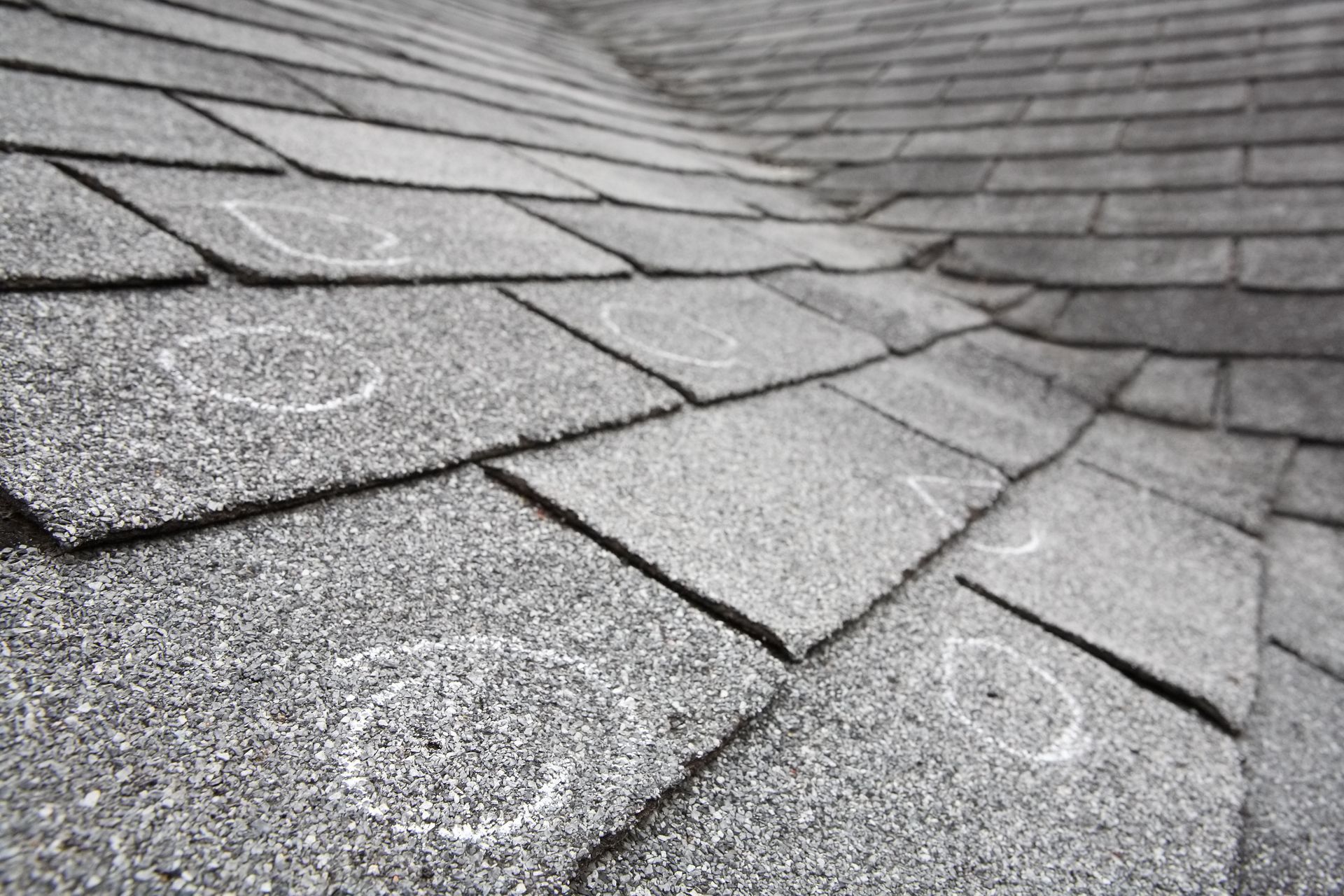
Monitoring the physical shape and flatness of individual shingles reveals how well the material withstands ongoing thermal expansion and contraction. High-quality, functional shingles lie completely flat against the underlying roof deck, creating an overlapping, watertight shield across the entire structure. As roofing materials reach the end of their operational lifespan, volatile oil compounds within the asphalt evaporate, causing the shingles to lose their natural flexibility. This chemical drying process causes shingle edges to curl upward or middle sections to cup downward, leaving the underlying roof deck vulnerable to wind-driven rain. Furthermore, brittle shingles develop deep surface cracks when exposed to rapid temperature drops or high wind stresses. When shingles warp, curl, or fracture, heavy wind gusts can easily catch their edges, tearing entire sections away from the roof deck during severe weather events. Scheduling timely roof repair services when curling first appears can temporarily secure loose edges, though widespread distortion usually indicates systemic material fatigue.
Checking Flashing Integrity Around Roof Penetrations
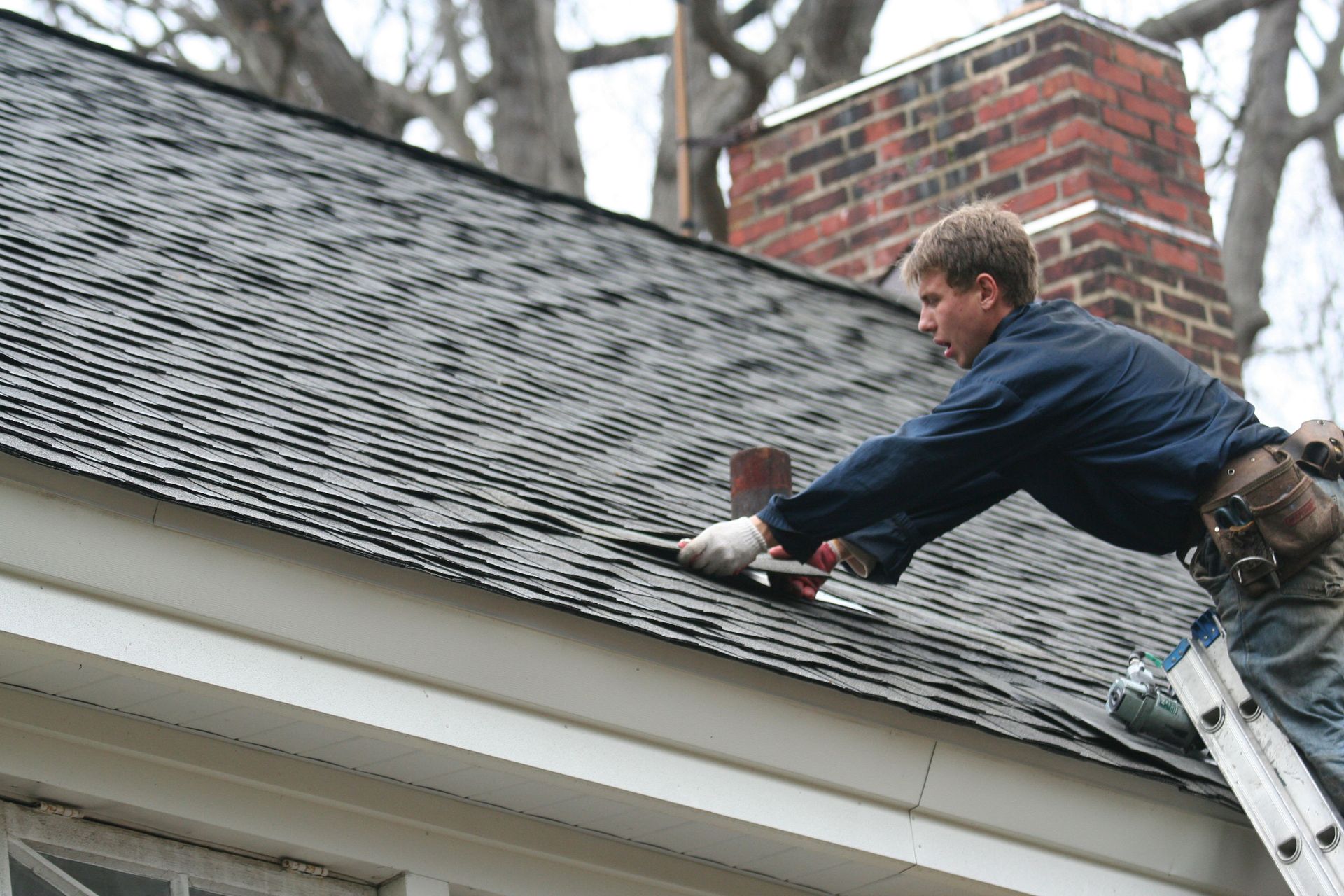
Evaluating the metal flashing strips installed around chimneys, skylights, plumbing vents, and roof valleys ensures that critical intersection points remain completely watertight. Roof flashing consists of durable thin metal sheets bent and sealed around vertical roof projections where water naturally collects or channels downward. Over time, physical settling of the home, temperature fluctuations, and sealant degradation cause flashing strips to pull away, buckle, or corrode. When flashing seals fail, rainwater flows directly into hidden structural seams, trickling down internal wall cavities and damaging ceiling joists long before interior stains become visible. Rubber boots surrounding plumbing vent pipes are particularly prone to cracking and splitting after years of direct sun exposure. Inspecting these high-risk intersection points allows homeowners to identify failing seals and loose fasteners before water reaches interior living spaces. Investing in professional roof repair protocols specifically for damaged flashing components restores watertight seals around complex roof features, extending the functional life of the surrounding shingles.
Identifying Sagging Roof Decks and Structural Depressions
Detecting visible dips, sags, or uneven lines along the roof ridge or deck surfaces points to serious structural distress beneath the surface materials. A healthy roof assembly features straight, rigid lines supported by strong internal rafters, trusses, and solid wooden decking panels. When long-term water leaks penetrate beneath shingles and underlayment, the constant moisture rots the underlying plywood or wooden support beams. Over time, saturated wooden decking loses its structural load-bearing strength, causing the surface to sink inward under the weight of the roofing materials. A sagging roof deck represents a critical structural hazard that requires immediate professional evaluation to prevent potential surface collapse. Unlike simple shingle wear, structural sagging involves the underlying building framework and indicates that water intrusion has been occurring unchecked for an extended period. Addressing minor leaks quickly through expert roof repair techniques prevents moisture from reaching structural framing, thereby avoiding catastrophic deck decay and costly timber replacements.
Spotting Water Stains and Interior Ceiling Leaks
Noticing discolored water rings, peeling paint, or damp spots on interior ceilings and upper walls serves as direct evidence that exterior roof barriers have failed. Water entering through damaged shingles or compromised flashing travels along internal rafters and ceiling joists before dripping down into living quarters below. These interior stains often start as faint yellow or brown rings that gradually expand after every major rainstorm. Additionally, persistent moisture trapped inside wall cavities creates ideal breeding conditions for toxic mold spores and wood-decaying fungi. In attic spaces, wet insulation loses its thermal resistance, driving up household heating and cooling expenses while signaling active upper leaks. Because water can travel significant horizontal distances along internal framework before dripping through a ceiling, pinpointing the precise entry point requires thorough professional diagnostic work. Promptly executing localized roof repair procedures upon discovering interior water marks stops active leaks, protects indoor air quality, and preserves interior finishes.
Assessing Moss Growth and Biological Accumulation
Recognizing heavy biological growth, such as moss, algae, or lichen patches, highlights conditions that accelerate physical material breakdown. Moss thrives in damp, shaded roof areas where moisture lingers long after rainfall ceases. As moss grows, it acts like a sponge, holding water directly against shingle surfaces and preventing the roof from drying properly. Furthermore, moss root structures work their way under shingle edges, physically lifting them upward and breaking the adhesive seals that bind shingle courses together. During winter freezing cycles, trapped moisture beneath lifted shingles expands, cracking the asphalt material and creating direct pathways for water leaks. While dark algae streaks primarily affect aesthetic curb appeal, thick moss beds actively destroy underlying roofing materials.
Determining whether an aging roof requires simple maintenance interventions or complete system replacement involves evaluating the extent of physical damage, material age, and overall structural health. Recognizing key warning indicators—such as heavy granule loss, curled shingles, compromised flashing, sagging decking, interior water stains, and destructive moss growth—empowers homeowners to act before minor leaks transform into devastating structural damage. Timely inspections, proactive maintenance, and expert professional interventions preserve property values, maintain energy efficiency, and ensure long-term physical protection for your home. Taking decisive action at the first sign of material wear extends the service life of your upper shield and delivers lasting peace of mind through every season. At Cornerstone Roofing & Home Improvements, we take immense pride in delivering top-tier structural evaluations, precise leak diagnostics, comprehensive storm damage restoration, and reliable craftsmanship to keep your property completely secure. Contact us today to schedule your thorough roof inspection, explore our tailored service options, and discover how our dedicated team can safeguard your home for years to come.