When homeowners look to reinforce their residential or commercial properties against unpredictable weather patterns, the structural integrity of the roof emerges as a primary priority. Upgrading an exterior protection layer is a substantial undertaking that balances fiscal investment with long-term security. While traditional asphalt shingles have historically dominated the regional architectural landscape, modern materials have steadily captured the attention of progressive property owners. Among these alternatives, specialized architectural metal panels offer unmatched resilience, aesthetic versatility, and sustainable longevity. A professional metal roofing contractor possesses a wealth of insight that can transform how property owners perceive and manage their long-term architectural investments.
Selecting a new protective barrier involves much more than simply picking a visually appealing color profile or accepting the lowest available estimate. The process requires an acute awareness of environmental factors, weight distribution, insulation parameters, and structural fastening systems. Many consumers rely on superficial internet searches or general handymen who lack the specific tools and training necessary to execute an intricate installation flawlessly. Forcing an uncertified worker to handle advanced interlocking metal sheets often results in chronic structural leaks and voided manufacturer warranties. Establishing an open line of communication with an experienced roofing contractor ensures that your residential upgrade aligns seamlessly with municipal safety codes.
Furthermore, consumer education remains an invaluable component of a successful home modernization blueprint. Home owners frequently underestimate the exceptional value proposition that advanced metal systems deliver compared to temporary, conventional alternatives. According to Home Advisor, a well-installed metal roof may last 40 to 70 years. This remarkable lifecycle far surpasses the operational lifespan of traditional organic or fiberglass shingles, which often require total replacement after only a couple of decades. Understanding this baseline allows individuals to evaluate their structural expenditures through a lens of lifetime cost efficiency.
Understanding Advanced Material Composition
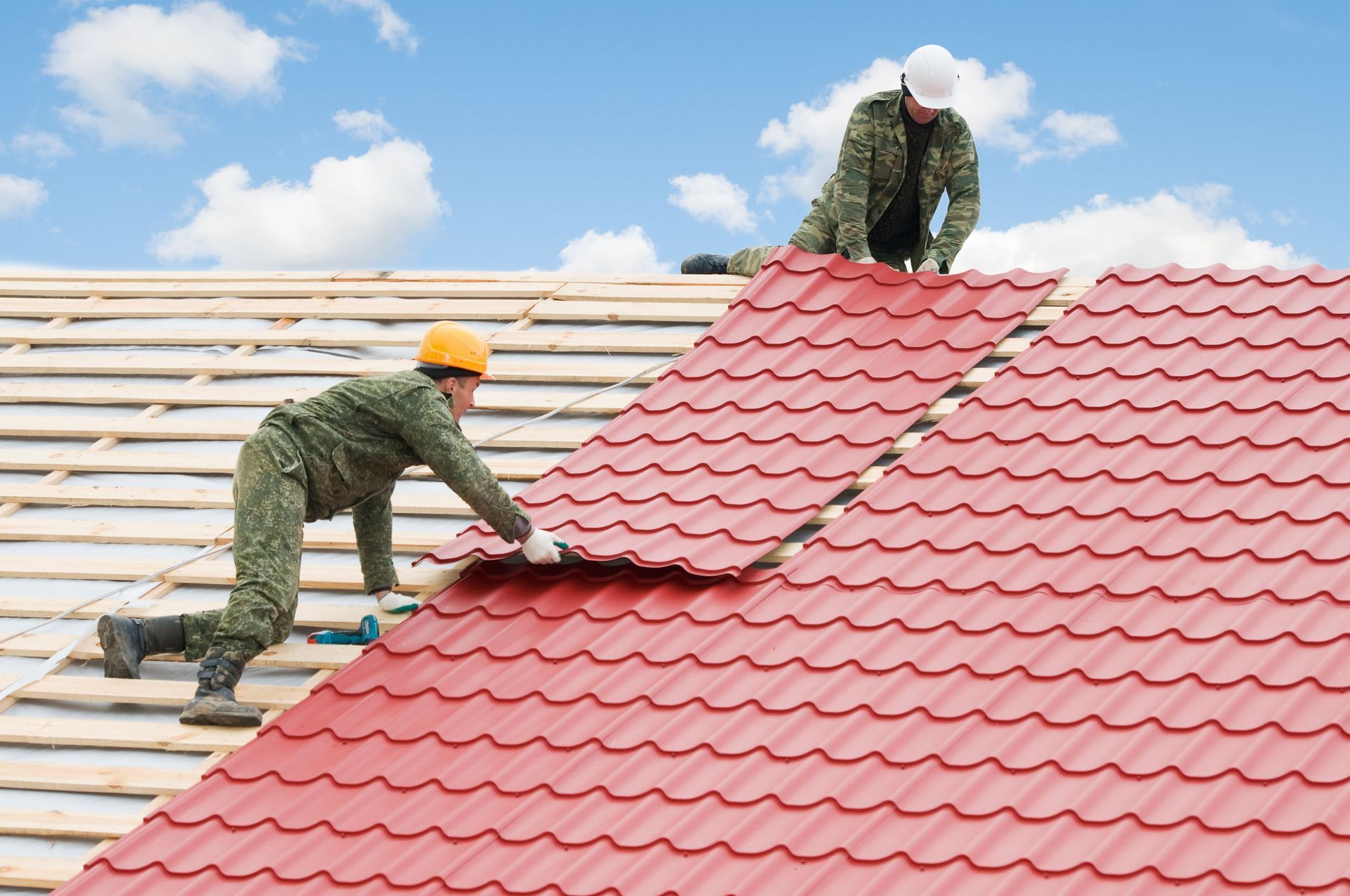
A primary realization shared by any specialized roofing professional is that metal protection systems are not homogenous products. Home owners frequently envision plain corrugated sheets seen on agricultural outbuildings, but modern residential options feature highly sophisticated metallurgy and advanced protective coatings. Consumers can select from steel, aluminum, copper, and zinc alloys, with each option providing distinct advantages regarding structural weight, corrosion resistance, and architectural flexibility. Steel panels are routinely coated with aluminum and zinc alloys to prevent oxidation, while aluminum remains an exceptional choice for coastal environments with high salt exposure.
Beyond the baseline metallic elements, the architectural engineering of the interlocking panels dictates how the structure handles environmental expansion and contraction. Standing seam configurations feature hidden fasteners that allow the metal to slide naturally as temperatures fluctuate between day and night, eliminating the risk of structural warping or backing screws. Conversely, exposed fastener systems utilize premium rubber washers that require periodic inspections to maintain a water-tight seal. Discussing these specific structural differences with your preferred professional allows you to choose an architectural profile that perfectly aligns with your regional climate requirements and long-term maintenance expectations.
Overcoming Common Atmospheric Misconceptions
Industrial specialists frequently encounter widespread myths regarding the behavior of metallic structures during severe weather events. A common concern among property owners involves the acoustic feedback generated during heavy rainfall or intense hailstorms. Many people assume that a metallic surface will create an echoing, disruptive din inside the living spaces below. In reality, when a certified roofing contractor installs these modern panels over solid wood decking combined with premium acoustic insulation barriers, the indoor sound level is virtually identical to that of a conventional asphalt roof.
Another prevalent atmospheric misconception relates to the perceived risk of lightning attraction. Because metal conducts electricity, some property owners worry that their home will become a primary target for electrical storms. However, lightning seeks the highest point in a geographic area, regardless of the material composition of that structure. Furthermore, if a building is directly impacted, a metallic exterior serves as a completely non-combustible shield that safely disperses the electrical energy across a wide area.
Evaluating Structural Weight Dynamics
An unexpected revelation for many residential property owners involves the structural weight relationships between traditional and modern materials. Because metal panels appear rigid and solid, consumers naturally assume that they place a heavier burden on the underlying wood framing of a house. However, a qualified roofing contractor can demonstrate that high-performance metal panels are actually significantly lighter than thick asphalt shingles or heavy slate tile options. This reduced physical weight minimizes the structural stress imposed on your home foundation and load-bearing walls over time.
Because of this lightweight characteristic, technicians are occasionally permitted by local building codes to install new panels directly over an existing layer of old asphalt shingles. This method eliminates the labor-intensive tear-off phase, reduces disposal fees, and prevents an immense volume of non-biodegradable debris from entering community landfills. However, a meticulous inspection of the underlying wood decking remains mandatory before proceeding. If moisture infiltration has already compromised the structural plywood beneath, a full removal is required to repair the rotted timber.
Maximizing Thermal Energy Efficiency
The contribution of a modern architectural barrier to monthly utility conservation represents a major highlight of professional industrial insights. Conventional dark asphalt shingles absorb an enormous volume of solar radiation, transferring that intense thermal energy directly into the home attic space and forcing interior climate control systems to work continuously. Conversely, modern metallic panels operate as highly efficient radiant barriers that reflect solar rays away from the structure. When you hire an expert roofing contractor, they can recommend specific reflective pigments and specialized coatings that maximize this cool-roof performance.
This thermal efficiency is further enhanced by creating an intentional ventilation space beneath the metallic sheets, allowing trapped heat to escape rapidly through engineered ridge vents. By minimizing the solar heat gain of your home, your air conditioning machinery experiences less operational stress, which significantly lowers your monthly electricity expenditures during intense summer heatwaves. Property owners who look past the initial setup cost quickly realize that these continuous utility savings provide a powerful mechanism for reclaiming their original capital investment over time.
Investing in Lifetime Value Profiles
Financial discipline requires property owners to look beyond immediate upfront installation expenses and carefully calculate the total lifecycle value of an asset. While a premier metal installation represents a larger initial financial commitment than an ordinary shingle roof, it eliminates the need for frequent, costly patch repairs and recurring full replacements. When an independent installation specialist outlines the economic trajectory of various choices, the long-term superiority of metallic solutions becomes unmistakably clear to the discerning investor.
In addition to preventing frequent replacement costs, a premium metallic installation can significantly enhance the resale value of a residential property. Discerning home buyers view a durable, lifetime roof as a massive financial asset, meaning you can often recoup a substantial portion of your project expenditure during subsequent property evaluations. Furthermore, many regional insurance providers offer permanent discounts on homeowner premium rates for properties equipped with impact-resistant metal panels, as these structures are far less likely to suffer catastrophic damage during severe windstorms or devastating wildfires.
A premier installation partner will provide detailed, itemized estimates, proof of extensive commercial liability insurance, and robust warranties covering both materials and labor. At Cornerstone Roofing & Home Improvements, we understand that your home is your most valuable personal asset, which is why our experienced collective voice is dedicated to delivering superior, long-lasting structural solutions tailored to your unique architectural specifications. We take immense pride in our meticulous craftsmanship and transparent business operations, ensuring that your property remains safe, beautiful, and completely protected from the elements for many decades to come. Contact us today to learn more.