March 5, 2026
Roof repairs are critical to maintaining the safety and integrity of your home. Understanding the common causes for roof repairing can help you in early detection and prevention, thereby mitigating more extensive and costly damage. Being aware of these issues allows homeowners to take preemptive action, reducing the risk of significant damage.
1. Weather Damage
Weather conditions play a significant role in the deterioration of a roof over time. Strong winds are notorious for lifting and tearing shingles, sometimes completely detaching them from the roof. According to Fixr, heavy storm damage accounted for over 50% of all residential roofing insurance claims, illustrating its impact. Prolonged exposure to severe weather can also compromise the overall structure of the roof.
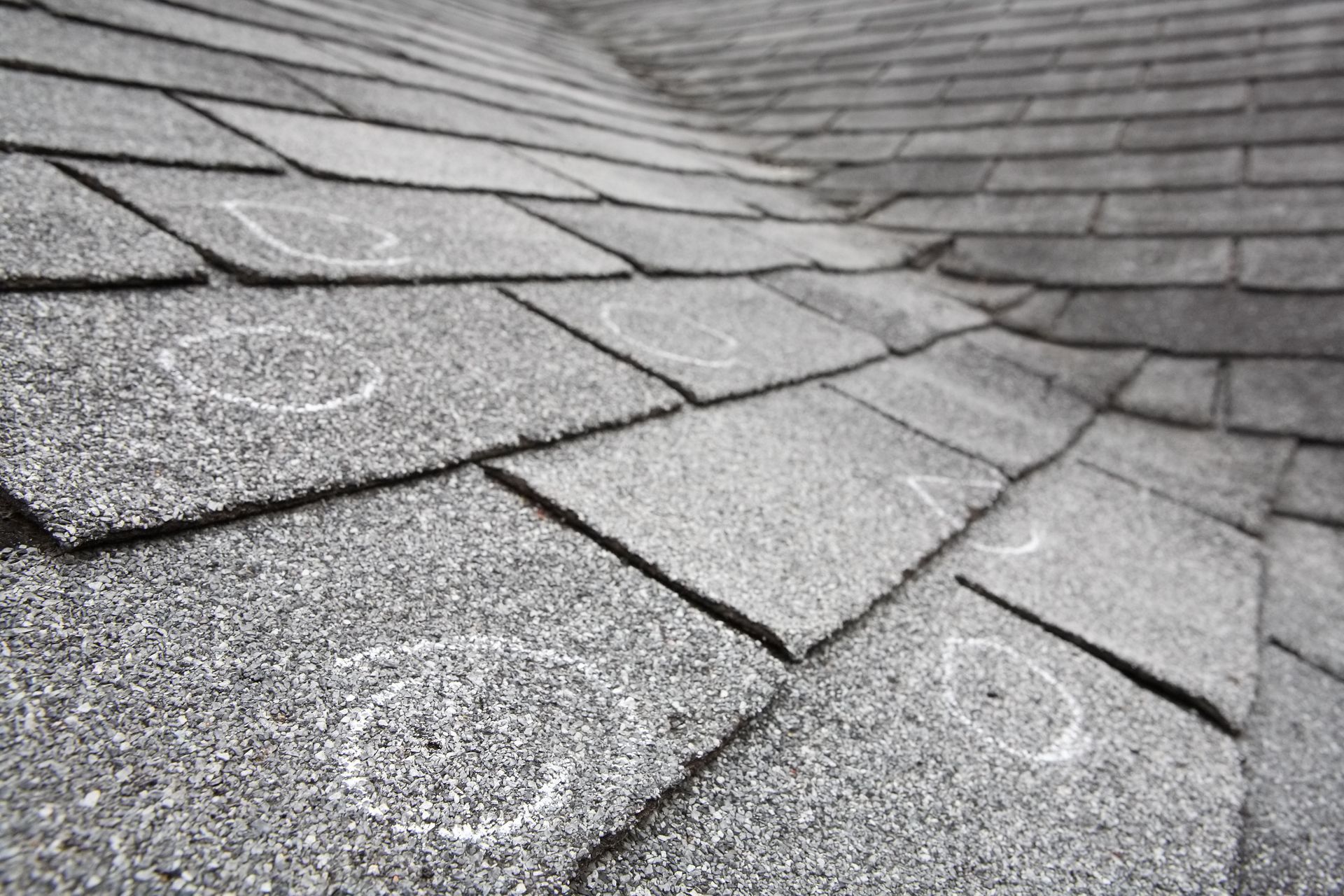
Hailstorms can be particularly damaging, as they strike with enough force to crack or shatter roof tiles. These cracks may not be apparent immediately, but can cause leaks and water damage if not addressed promptly. Heavy rainfall often follows, exacerbating the risk of leaks through existing vulnerabilities. The accumulation of water can also lead to structural issues if not efficiently channeled away from the roof.
Snow and ice accumulation pose severe threats by adding significant weight and introducing moisture to vulnerable sections of the roof. When ice dams form, they prevent snow melt from draining, potentially leading to water seepage under shingles. Long-term exposure to sunlight and UV rays can further weaken roofing materials by causing them to warp, crack, or fade. This degradation opens pathways for water and debris infiltration.
2. Poor Installation
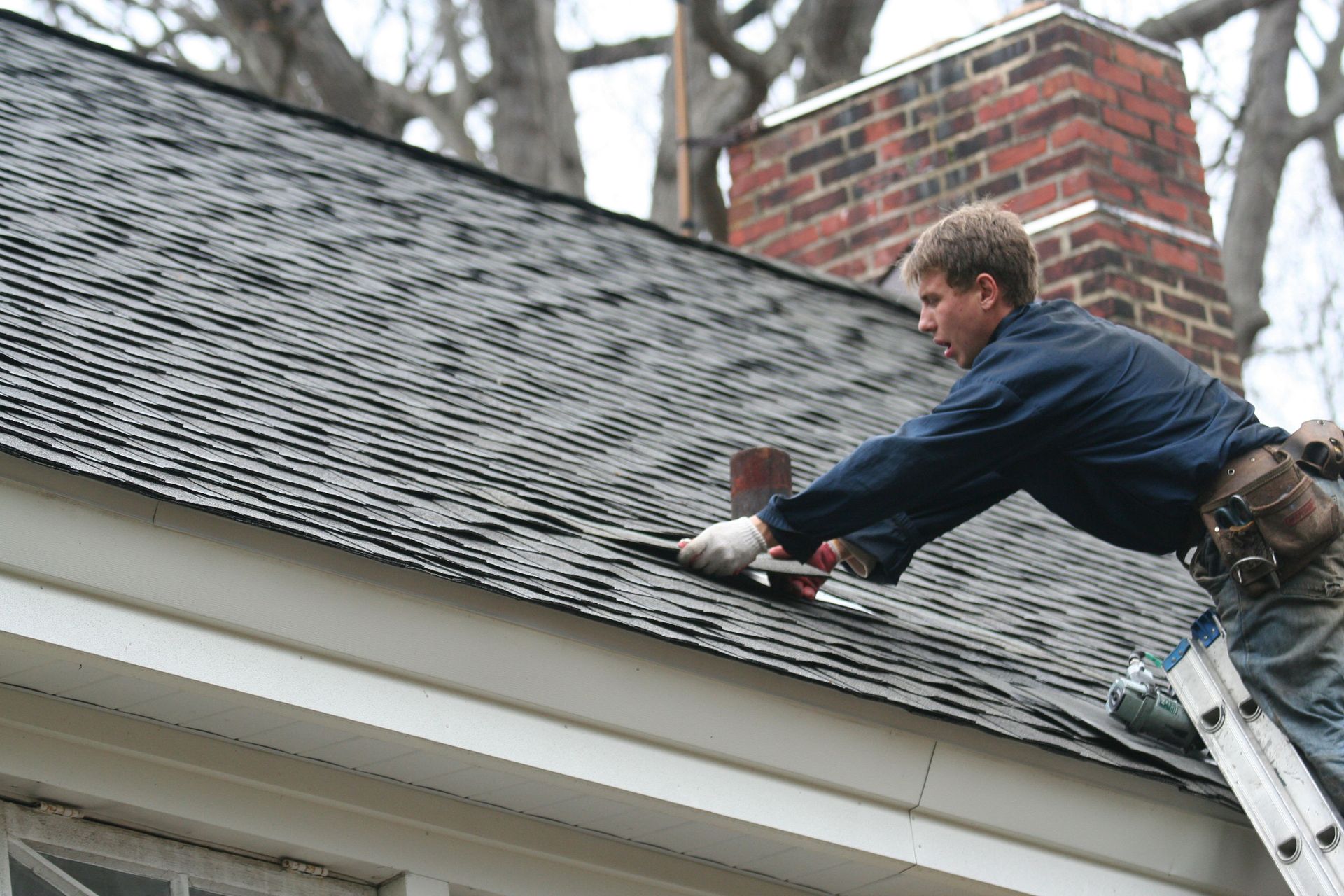
Subpar installation techniques can heavily compromise the functionality and lifespan of a roof. Incorrect shingle placement can lead to gaps and misalignment, which affect both the roof's appearance and performance. Over time, improperly installed shingles may dislodge, causing water infiltration and extensive damage. Faulty flashing installation is another concern, allowing water to seep into joints around chimneys, vents, and skylights and weakening barriers.
Inadequate ventilation is a common oversight during roof installation that can lead to moisture buildup and increased susceptibility to mold. Proper airflow maintains temperature balance and prevents excessive heat in the attic. Without adequate ventilation, roofing materials can degrade prematurely, as heat and moisture accelerate deterioration. Ignoring manufacturer specifications in favor of cost-cutting often results in compatibility issues with materials. Such lapses can void warranties and contribute to premature roof failure.
Using inconsistent roofing materials without regard for compatibility can cause differential rates of expansion and contraction. This exposes the roof to stress and eventual damage as materials warp or pull apart over time. Hiring qualified and experienced roofing contractors is critical for safeguarding against installation errors. These professionals follow industry standards and manufacturer guidelines. Precision in installation contributes to the roof's durability and resistance to various forms of damage.
3. Lack of Maintenance
Routine maintenance is crucial in prolonging the lifespan of any roof, yet it is commonly neglected by many homeowners. One frequent culprit of roof issues is clogged gutters, which restrict water flow off the roof. This obstruction can lead to water pooling, increasing the risk of leaks and structural damage. Regularly cleaning gutters and downspouts promotes efficient water drainage and prevents damage to the roof's edge. Maintenance routines should focus on clearing debris that may accumulate and block water flow.
The presence of invasive moss or algae can contribute to moisture retention, subjecting roofing materials to decay. These organisms thrive in humid environments and can infiltrate the roof surface, weakening its integrity. Regularly inspecting the roof for signs of growth and applying preventative treatments helps protect roofing materials. Minor damages, such as small leaks or missing shingles, can escalate into significant issues over time. Addressing these issues early can prevent costly roof repairing and extend its lifespan.
A failure to remove debris such as leaves and twigs from the roof can create damp environments that accelerate wear. This accumulation not only hastens material degradation but also attracts pests seeking a habitat. Regular inspections help identify potential vulnerabilities before they develop into serious damage. Proactively scheduling inspections by qualified professionals allows necessary repairs to be addressed promptly. Responsible roof repairing practices protect against the onset of more severe roof issues.
4. Aging and Material Wear
As roofs age, materials begin to suffer from wear and tear, compromising their effectiveness. Old shingles can become brittle and lose their ability to protect the underlying structure from the elements. Such aging materials are more susceptible to cracking and breaking under external stress, such as heavy winds. Regular assessments by professionals can identify areas where shingles are failing and recommend replacements.
Cracking sealants around joints and seams can lead to water infiltration and potential interior damage. Maintaining a watertight barrier around these critical points preserves the roof's integrity. Sealants degrade over time due to temperature fluctuations and UV radiation, requiring regular evaluation and reapplication as part of maintenance routines. Wear and tear on the underlayment — the layer beneath the shingles — can significantly reduce the roof's protective qualities.
Metal parts of the roof, such as flashings and gutters, are not immune to aging and can show signs of corrosion. Rusty or deteriorating metal components lose effectiveness and can weaken the roofing structure. Regular cleaning and application of protective coatings guard against corrosion and preserve the roof's function. Roof repairing or replacing deteriorated flashings allows the roof to repel water effectively.
5. Structural Issues
Various structural issues can develop over time due to shifting building foundations or improper design. A sagging roof deck is a visible sign of structural deficiencies that requires immediate attention. This sagging arises from compromised support structures, leading to potential collapses if ignored. Identifying the cause of sagging allows corrective actions to bolster the roof's structural integrity.
Compromised support structures weaken the roof's ability to bear weight and resist environmental stressors. Reinforcing these supports can prevent further sagging and maintain the roof's stability over time. Structural weaknesses are worsened by roof leaks, which can lead to mold and mildew growth. Moisture intrusion creates health hazards and causes deterioration of roofing materials if not addressed.
Misaligned roof valleys, where two sections of the roof meet, form weak points susceptible to water collection. Water pooling in these areas can exploit existing vulnerabilities in the roofing material. Regular inspection and roof repairing on valleys helps the roof manage water effectively. Weak points around chimneys and areas with complex joints are often neglected until major problems arise.
6. Pest Infestations
Pests often seek shelter on roofs, creating problems that require attention. Nests in gutters block water flow, causing damage and material degradation. Birds, rodents, and insects burrow into roofing materials or leave corrosive droppings. Termites threaten wooden roofing elements, causing structural damage. Pest control protects roofs and limits destruction.
Bird droppings deposit acids that accelerate corrosion, weakening materials over time. Rodents create tunnels and nests, expanding gaps and introducing moisture that can lead to leaks. Repelling or removing rodents is critical to preserving the roof.
Insects introduce moisture, promoting rot and decay. Regular inspection and nest removal help avert infestations. Addressing pests early prevents structural damage and maintains roof durability. Professional pest control removes pests and protects materials. Integrated pest management safeguards roofs against infestation and damage.
Recognizing the signs and causes of potential roof damage can significantly extend the lifespan of your roofing. Regular inspections and timely roof repairing prevents costly future renovations, safeguarding your home's integrity and your financial investment. Each section of the roof provides an important layer of defense against environmental elements, necessitating vigilance and proactive maintenance. Investing in regular roof evaluations pays dividends in long-term roofing health and effectiveness. Contact Cornerstone Home Improvements today for expert roof inspections, repairs, and replacements to protect your home or business.