Steve Hammond | February 6, 2026
February 6, 2026
In recent years, the DIY trend has gained popularity, with many homeowners opting to tackle home improvement projects themselves. While this approach may work for some tasks, roofing isn't one of them. Let's illuminate the dangers of DIY roofing and underscore the advantages of hiring professional roofing contractors. By capitalizing on their expertise, you can avoid pitfalls and ensure the longevity of your roofs.
Expertise and Experience
Understanding Materials and Technologies
Professional roofing contractors possess extensive knowledge of the latest materials and technologies that are pivotal for a quality roofing project. Unlike a DIYer, contractors stay updated with innovations such as energy-efficient materials and advanced sealants. This expertise allows them to make informed decisions that optimize roofing performance. A homeowner might overlook or be unaware of these advancements, leading to suboptimal results. As specialists, contractors align material choices with environmental factors, ensuring the roof can withstand local conditions.
According to This Old House, approximately 79% of homeowners hire professionals for their roofing needs, underscoring the value placed on specialized knowledge. These experts not only handle materials proficiently but also foresee how technological advancements can be incorporated into different roofing systems. This foresight is vital for creating roofs that not only perform but excel. The combination of cutting-edge materials and adept handling results in roofing that serves homes efficiently over time.
Years of Practical Experience
Experience is one of the cornerstones of successful roofing, and contractors have it in abundance. Years on the field equip them with insights and problem-solving skills that textbooks and videos simply cannot provide. Every roof has its unique set of challenges, from unexpected damage to structural peculiarities. Professionals are adept at navigating these challenges due to their vast exposure and adaptive strategies. They often come prepared for unforeseen complications, ensuring continuity and quality in service.
Training and Certification
Professional training equips roofing contractors with the technical skills necessary for exceptional craftsmanship. Formal instruction and certification ensure that contractors are not only conversant with industry standards but also committed to maintaining them. Certifications require candidates to demonstrate a thorough understanding and practical excellence in roofing. The rigorous training that professionals undergo is indicative of their capability to handle diverse roofing scenarios effectively. Credentials such as OSHA certification in safety practices are standard, showcasing a commitment to operational safety.
Problem-Solving Skills
Problem-solving acumen is a hallmark of professional roofing contractors, setting them apart from DIY enthusiasts. During projects, unexpected challenges such as material shortages or hidden damages can arise. Professionals bring strategic thinking and a repertoire of solutions honed from real-world experiences. They recognize potential issues early and mitigate these proactively, minimizing interference with project timelines. This ability to adapt and respond promptly maintains the project's momentum and quality.
Contractors also draw from a well of knowledge in troubleshooting technical gaps that a layperson might find overwhelming. A typical homeowner might falter when adept decision-making and immediate problem resolution are crucial. Professionals, however, thrive under such conditions, ensuring effective solutions are applied. Their problem-solving capabilities include logistical expertise, such as managing supplies and workforce to best utilize available resources. Their role becomes an orchestrator of seamless operation.
Thorough Assessment Abilities
A thorough assessment of roofing conditions is critical before embarking on any repair or installation. Contractors possess the acumen to diagnose both visible and latent issues, allowing for a comprehensive action plan. This assessment is more than surface-level. It includes evaluating structural stability, water drainage adequacy, and material lifespan. Comprehensive evaluations prevent missteps that might lead to premature deterioration or structural compromise. The preventive nature of these assessments protects the investment homeowners make in their roofs.
Safety Concerns
Risk of Falls
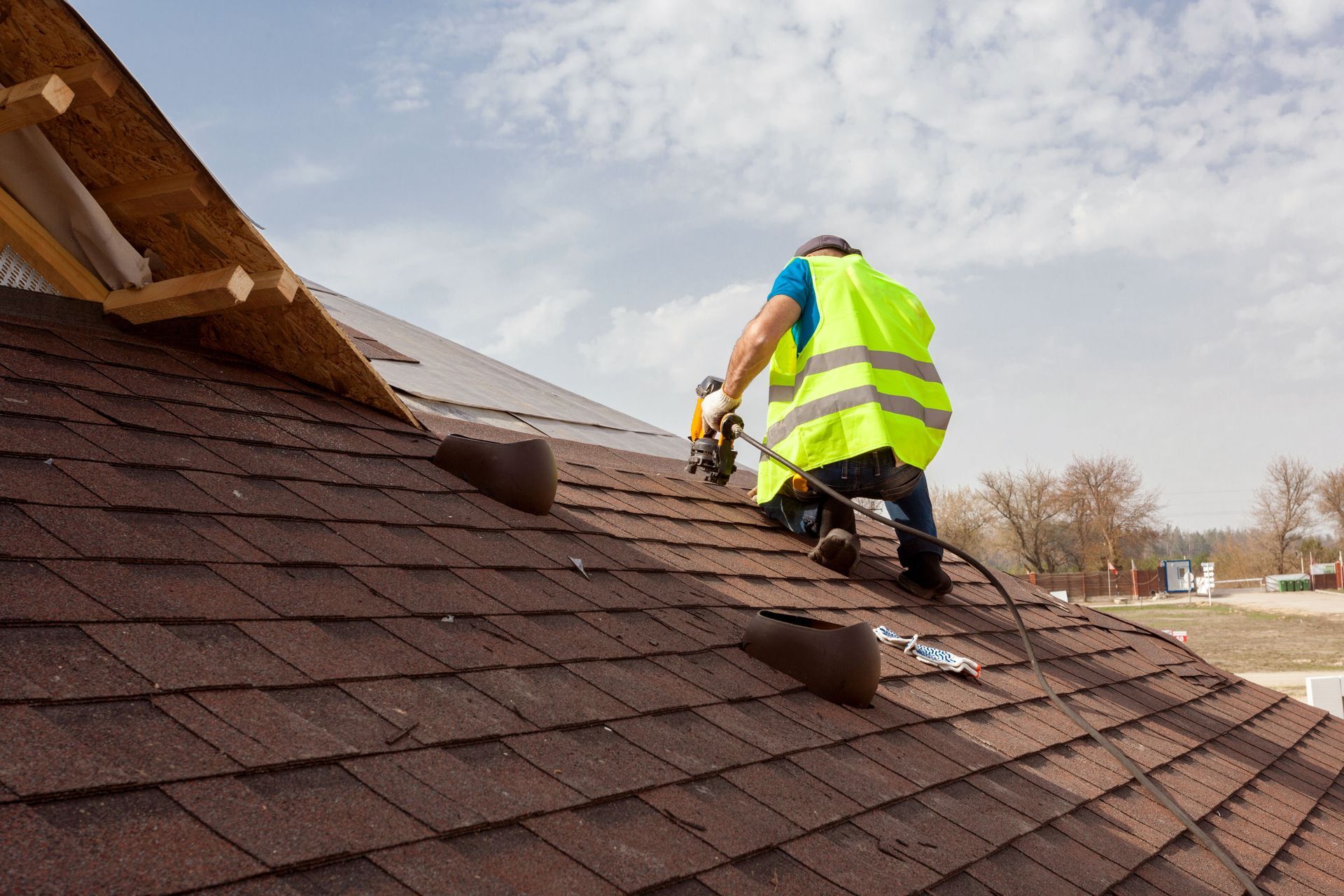
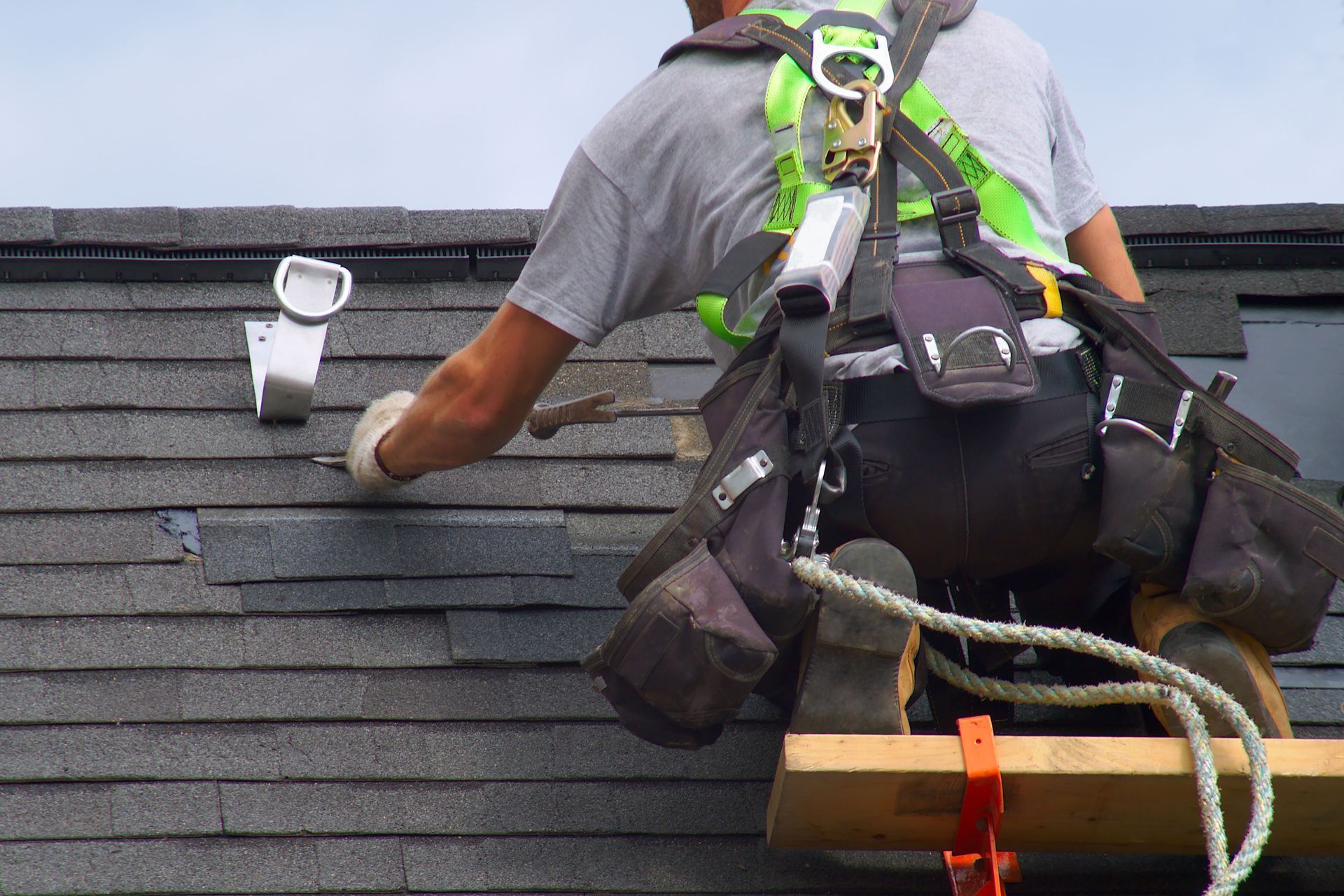
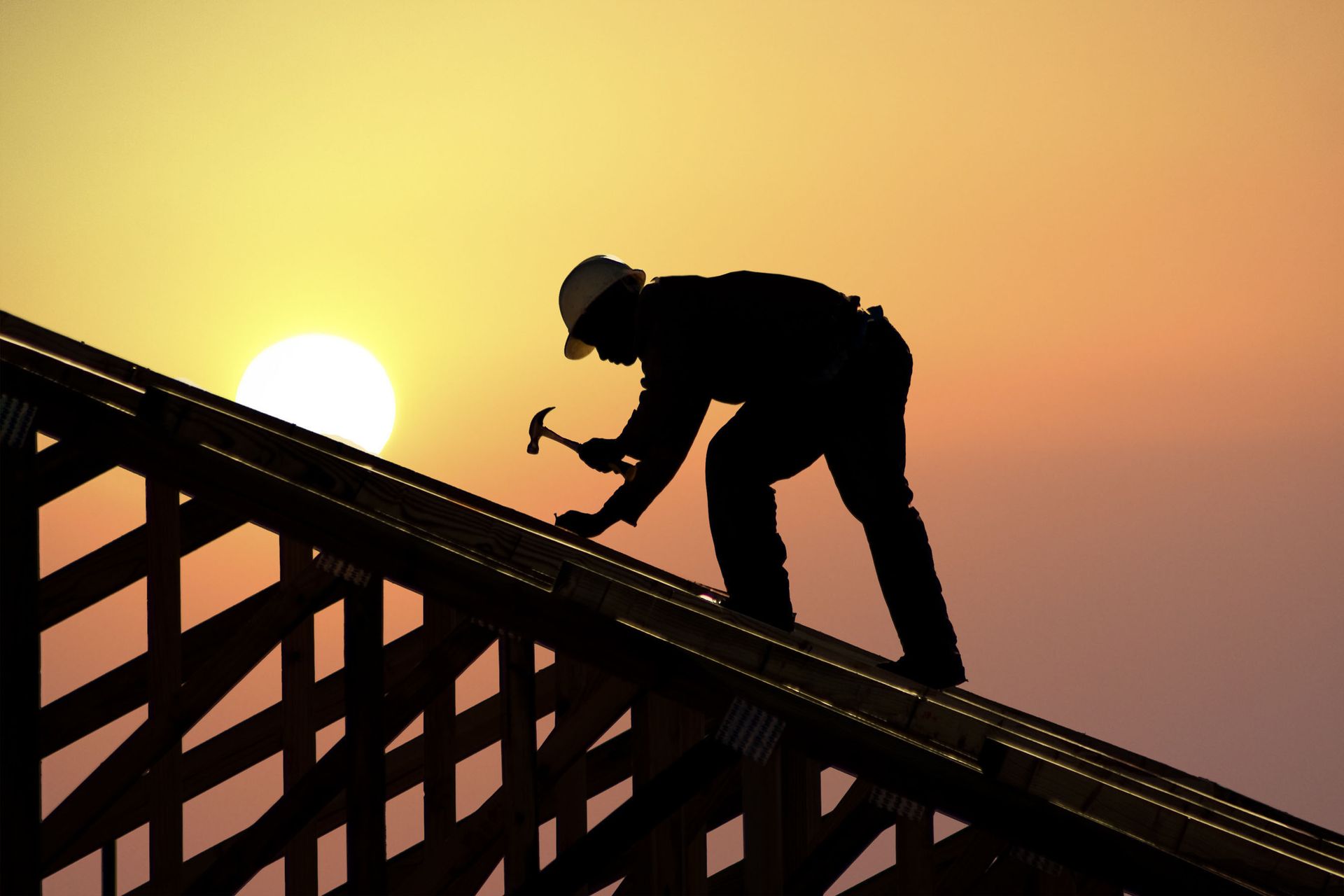
Roofing involves working at substantial heights, which inherently carries a significant risk of falls, a leading cause of injury in the construction industry. Professional roofing contractors are adept in navigating roofs securely, minimizing these dangers through training and experience. They employ specific techniques and equipment to maintain stability and safety while working. Using safety harnesses, guardrails, and other fall protection gear, contractors ensure a vastly reduced accident risk. Their knowledge of safely maneuvering steep, slippery, or confined spaces is critical.
For a DIY enthusiast lacking proper training, the risk of mishaps increases considerably. Factors like loose debris, unstable surfaces, or swift weather changes compound the danger. Unlike professionals, amateurs might lack the foresight to set up safety measures effectively. The risk of injury or even fatalities is elevated when attempting to address a roofing task without proper protective measures. The decision to engage professionals, thus, encapsulates a commitment to safety as they prioritize risk mitigation.
Proper Use of Safety Gear
One of the critical safety differential factors between professional contractors and DIY enthusiasts is the reliance on specialized safety gear. Contractors are trained in the selection, fitting, and use of equipment such as harnesses, helmets, and cushioned footwear. This equipment forms the first line of defense against potential accidents on the roof. Safety gear is essential for reducing the risk of slips, trips, and falls, and is maintained to the highest standards by professionals. This comprehensive approach to safety isn't just a formality; it's a preventive requisite that professionals regard seriously.
Understanding Weather Conditions
Timely understanding and interpretation of weather patterns is another domain where professional roofing contractors excel. Weather unpredictability poses a danger that can affect both human safety and the integrity of roofing materials. Contractors strategically plan project timelines aligned with favorable weather conditions, prioritizing safety and efficiency. They employ technology to forecast weather patterns, understanding how variables like wind, rain, and temperature can influence project outcomes. This involves aligning work schedules with climatic conditions to optimize safety and workmanship quality.
Quality of Work
Precision and Craftsmanship
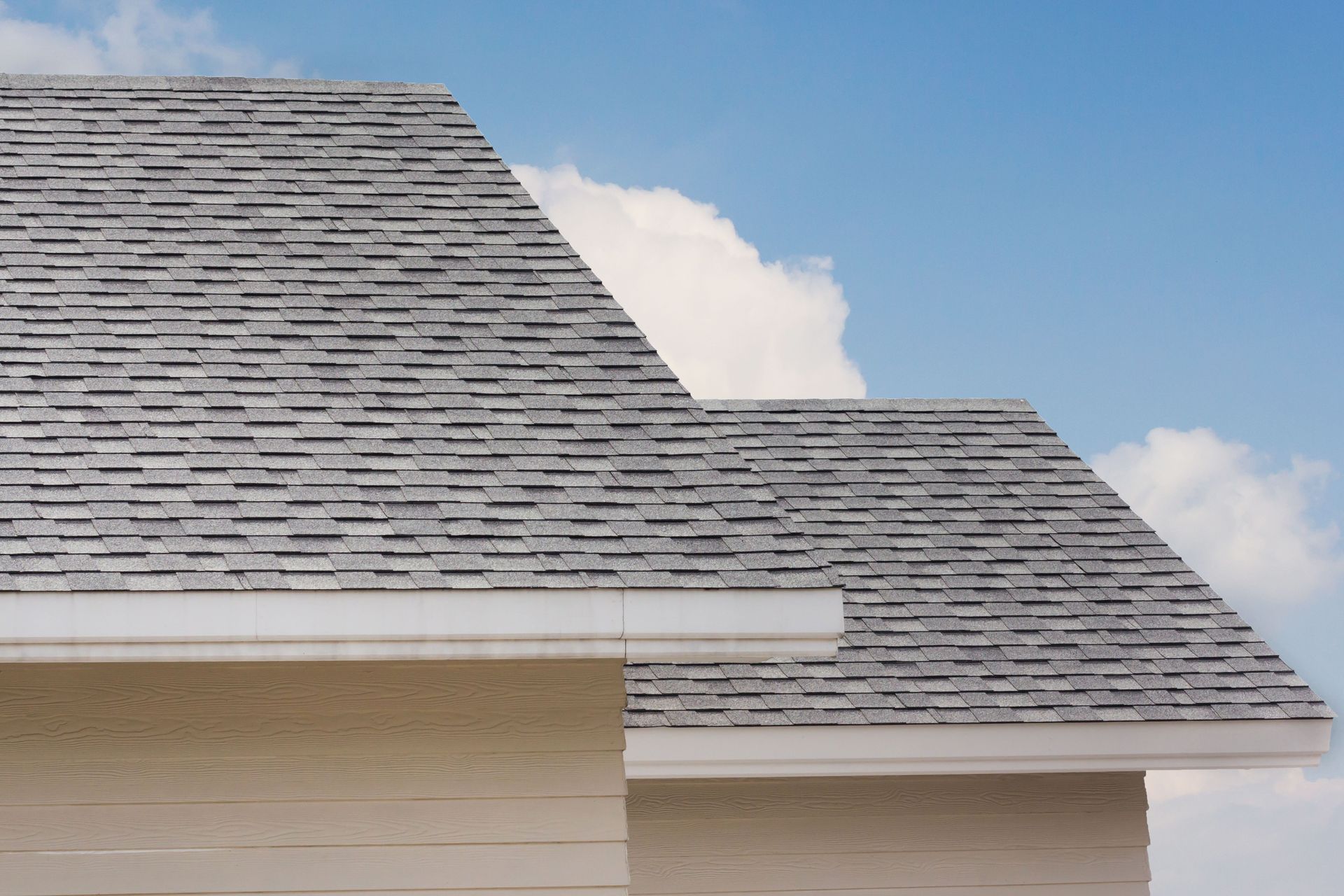
When entrusting roofing projects to professionals, homeowners receive a level of precision and craftsmanship that is typically unattainable with DIY endeavors. Professional roofing contractors specialize in executing intricate details and techniques that enhance roof aesthetics and function. Their consistency in applying industry best practices ensures that the project meets both aesthetic and performance expectations. This level of competence allows them to achieve fine detailing in shingles, gutters, and flashing sections, ensuring thorough coverage and finish. Such expertise ensures that roofs are not only built to last but are also appealing and comply with site-specific requirements.
Adherence to Standards
Compliance with industry and safety standards forms a fundamental aspect of professional roofing projects. Contractors adhere to strict codes, ensuring that work is performed safely and within legal parameters. They are familiar with building code requirements that dictate structural integrity, load-bearing capacities, and material safety specifications. These regulations ensure roof performance under various environmental conditions, engendering homeowner trust. Compliance with such standards is non-negotiable, as lapses can result in serious safety and legal ramifications.
Durability and Longevity
The durability and longevity of a roof largely depend on the quality of workmanship and materials used during installation. Professional roofing contractors are instrumental in achieving such outcomes, thanks to their expertise in material selection and application. Drawing on industry experience, they optimize roofing for longevity, combining weather-resistant elements with superior craftsmanship. This approach extends a roof's lifespan significantly beyond often-shorter DIY-initiated projects. Professionals masterfully harmonize materials to ensure they withstand varying stresses and conditions over time.
Hiring professional roofing contractors is an investment in both safety and quality. Their expertise, hands-on experience, and access to the latest materials and techniques ensure that every aspect of a roofing project is handled efficiently and correctly. From thorough assessments to precise craftsmanship, professionals mitigate risks that DIY approaches often overlook. Beyond aesthetics and durability, they prioritize safety, compliance, and long-term performance, giving homeowners peace of mind. Ultimately, leaving roofing to trained experts at Cornerstone Roofing & Home Improvements protects your property, your family, and your investment, making professional services the clear choice over a DIY approach. Reach out to us today to get started!