Steve Hammond | January 9, 2026
January 9, 2026
Understanding your roof's condition through a professional inspection can help extend its lifespan and optimize safety and efficiency. A scheduled inspection ensures that potential issues are diagnosed and addressed before they become costly repairs. However, there are a few important questions you should ask your roofing contractor about the inspection. By addressing these essential inquiries, you can gain a clearer picture of your roof's current state and strategize future maintenance.
1. What Is Included in the Inspection?
When discussing inspections with your roofing contractor, it's vital to understand what the inspection will cover. The visual examination of roof materials is a fundamental aspect of the inspection. Contractors will check for signs of wear and tear, such as missing shingles, granule loss, or any form of detachment. Flashing and seals, often overlooked, are crucial in preventing water penetration, and their thorough examination can prevent future leaks. An inspection should always offer a comprehensive evaluation of rooftop structures and equipment to ensure everything is securely mounted and remains functional.
The inspection extends to gutters and downspouts, which play a critical role in guiding water away from your home. Clogged or damaged gutters can lead to water overflow, which might eventually cause damage to your foundations. The inspector will check for blockages and make sure the drainage paths are unobstructed. Additionally, the examination should include an attic inspection to detect signs of moisture or ventilation issues. Identifying these early can help prevent mold growth and other serious problems.
2. How Often Should Inspections Be Scheduled?
Good roofing maintenance starts with understanding how frequently inspections should occur. An expert roofing contractor will often recommend a minimum of an annual roof inspection to catch small issues before they grow into larger, more expensive problems. According to This Old House, you should have your roof inspected a minimum of once every 12 months. These inspections help extend the lifespan of your roof by addressing wear and tear promptly. Additionally, planning routine inspections can help budget and prioritize repairs or replacements as needed.
Scheduling inspections should also consider seasonal impacts. Harsh weather conditions such as heavy snow, rain, or windstorms can accelerate roof degradation. Discuss with your contractor the best seasonal schedule to follow based on your geographic location and weather patterns. It's worth noting that some manufacturers may have specific guidelines or warranty conditions that require regular inspections. Ensuring compliance with these recommendations can help maintain warranties in good standing.
3. What Tools and Technology Will Be Used?
Modern roofing inspections leverage advanced technology to identify problem areas more accurately. The use of drones and aerial photography allows a roofing contractor to conduct comprehensive inspections without physically accessing potentially risky sections of the roof. This approach ensures a thorough visual inspection from all angles without compromising safety. Infrared scanning equipment helps detect hidden moisture beneath roofing materials, an essential tool for identifying water intrusion early. Homeowners should inquire about these innovative tools, ensuring their contractor is equipped to deliver the best analysis.
In addition to drones and infrared scanning, moisture meters offer precise measurements in areas suspected of water damage. Early detection prevents moisture from becoming a more severe issue that could lead to mold or structural damage. Digital documentation tools ensure all findings during the inspection are meticulously recorded for future reference. Accurate documentation helps homeowners understand the inspection reports and make informed decisions about necessary repairs. Discussing these technological tools with your contractor can provide added reassurance about the inspection's thoroughness.
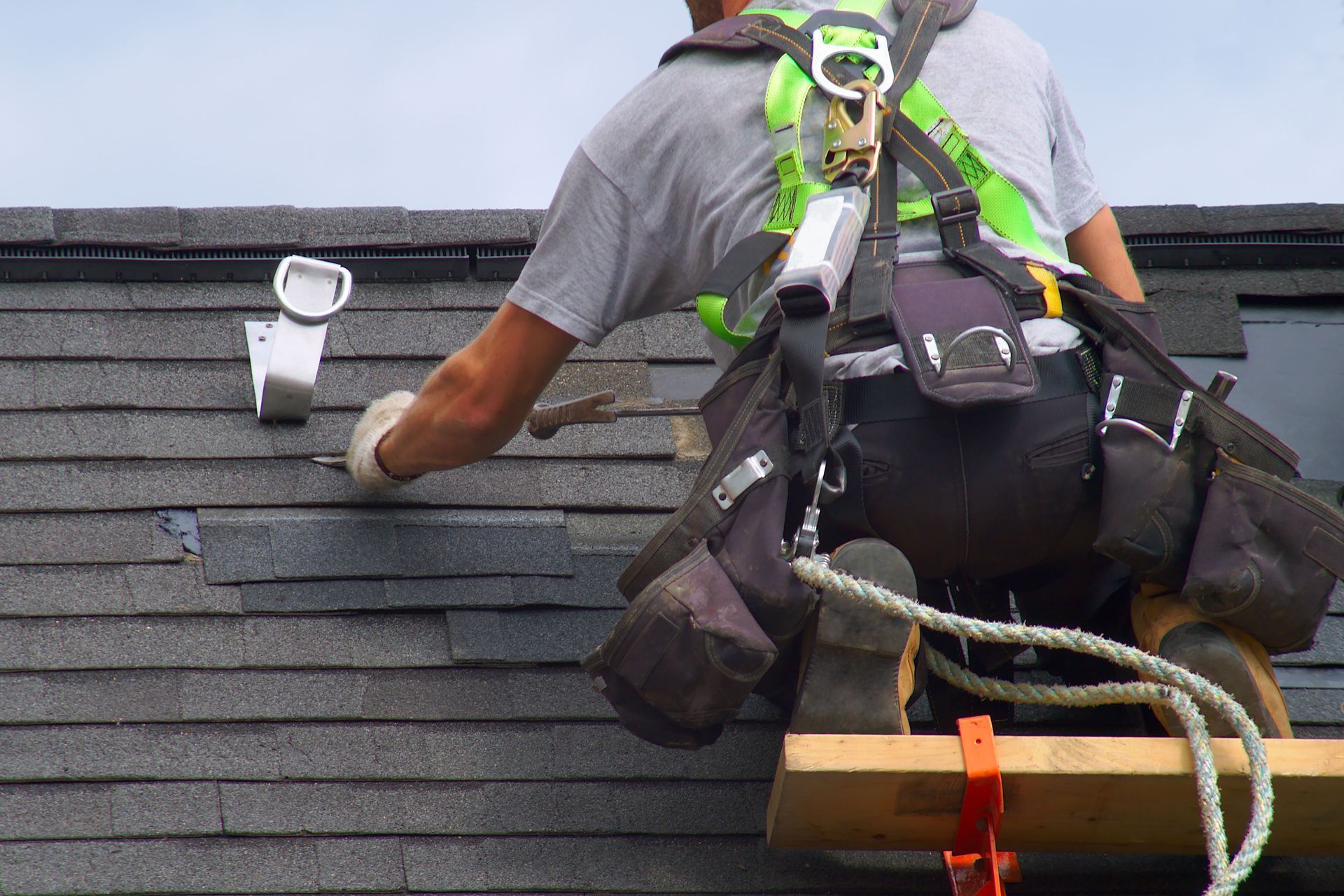
Safety equipment and protocols must be prioritized during any roof inspection. Ensuring both the contractor's and homeowner's safety is crucial, and a professional contractor will have this as a standard practice. Clear communication about the safety measures in place reassures homeowners that inspections will not result in unnecessary risks. Contractors should also be prepared for unexpected circumstances, bringing the necessary equipment to address newfound hazards. Transparent conversations about safety can help prevent accidents and foster trust with your contractor.
4. What Are the Signs of Potential Issues?
Recognizing early warning signs is essential for maintaining the integrity of your roof. Detecting leaks and water damage often begins with visible signs like water stains on ceilings or walls. Missing shingles, damp insulation, and mold growth can also signify water intrusion, issues that must be addressed urgently to prevent further damage. Material degradation is another common issue, especially in areas exposed to extreme weather conditions. These signs might include curling or cracked shingles, excessive granule loss, or visible damage to flashing.
Spotting structural deformation, such as a sagging roofline, could indicate a serious underlying issue. Structural problems might originate from water damage or be the consequence of poor initial construction practices. Poor ventilation is also a problem, as it can lead to internal damage, inflated energy costs, and accelerated roof aging. Identifying poor ventilation issues involves checking for blocked vents or improperly installed ventilation systems. A comprehensive inspection should also evaluate for pest or wildlife damage, which can compromise the roofing structure.
5. How Will Inspection Results Be Communicated?
Understanding the communication process regarding inspection results is as important as the inspection itself. A detailed written report provides a comprehensive overview of the inspection findings. This documentation acts as a foundational reference for planning any required amendments. Photographic evidence can accompany the report, providing visual confirmation of identified issues and their severity. Visual elements illustrate conditions that might be difficult to explain verbally, enhancing understanding.
A video walkthrough summary offers a dynamic alternative to written or photographic reports. This approach can provide real-time insights and visual narratives about specific areas of concern, making the inspection results more tangible for homeowners. Engaging in a consultation to discuss findings further ensures a complete understanding of the issues presented. This dialogue allows homeowners to ask questions and clarify any misunderstandings about the inspection report. Effective communication of inspection results is crucial to planning future actions and ensuring transparency in the inspection process.
6. What Next Steps Will Follow the Inspection?
Post-inspection actions are vital to maintain your roof's functionality and prolong its lifespan. Recommendations for repairs or maintenance should be clearly outlined following the inspection. Prioritizing these actions based on urgency and severity helps manage costs effectively. An accurate cost estimate should accompany any recommended actions, assisting homeowners in budgeting for upcoming expenses. Discussing costs and priorities ensures a strategic approach toward improving roof health.
Establishing a schedule for follow-up services helps maintain the roof's optimal condition. Regular maintenance consultations and inspections ensure that any minor issues are addressed before they escalate. Spacing these follow-ups adequately provides peace of mind regarding the roof's resilience against wear and tear. Long-term preventative measures might involve scheduled maintenance plans or upgrades tailored to your roof's specific needs. These measures contribute significantly to extending the roof's lifespan while mitigating unexpected emergencies.
Understanding warranty and information provides a safety net regarding the work performed. Knowing what's covered by warranties and guarantees ensures homeowners have recourse if any issues arise post-inspection or repair. Contractors should outline the terms and conditions associated with any services provided or materials used. Transparency in these discussions builds trust and ensures homeowners are well-informed about their options. Careful planning and discussion of next steps prepare homeowners for any future challenges their roofs may present.
Asking your roofing contractor informed questions regarding roof inspections can provide you with peace of mind and potentially save significant time and money in the long run. Ensuring that these inquiries are met with thorough and professional responses, one can ensure the integrity and longevity of their roofing system. You can ask all these questions and more when you reach out to the professionals at Cornerstone Roofing & Home Improvements.