Roof replacements are a significant investment for homeowners, offering both challenges and opportunities. Homeowners must navigate various decisions, from choosing the right materials to selecting a reliable contractor. With thorough research and preparation, a roof replacement can enhance your home's value and safeguard against future issues. Understanding the essential aspects of roof replacements can greatly influence the project's success and longevity. This guide aims to provide comprehensive insight into roof replacement considerations, ensuring informed decision-making and optimal outcomes.
1. Knowing It's Time for a Roof Replacement
Age of the Roof
One of the primary indicators that a roof needs replacing is its age. Most roofing materials have a specific lifespan, which varies based on the material used. For instance, in our experience, asphalt shingles usually last around 20 to 30 years, while metal roofing can last up to 50 years. If your roof is approaching or has exceeded its expected lifespan, it might be time to consider a replacement. Proactively replacing an aging roof can prevent potential damage and significant repair costs in the future.
Visible Damage
A clear sign that a roof may require replacement is visible damage. This can include curling or missing shingles, cracked tiles, or widespread granule loss. While some damage might be repairable, extensive visible issues usually indicate the need for a new roof. Consistent damage not only poses aesthetic problems but can also lead to leaks and structural concerns. Addressing visible damage promptly helps avoid further deterioration and preserves the integrity of the home.
Leaks and Moisture Issues
Critical indicators of roof failure include leaks and moisture issues. Water stains on ceilings or walls inside the home can signify a compromised roof structure. Persistent leaks can lead to mold growth, which poses health hazards and diminishes indoor air quality. Addressing these issues early through a roof replacement helps mitigate risks and ensures a safe living environment. By resolving moisture problems, homeowners can prevent significant damage and costly repairs in the future.
2. Choosing the Right Roofing Material
Asphalt Shingles
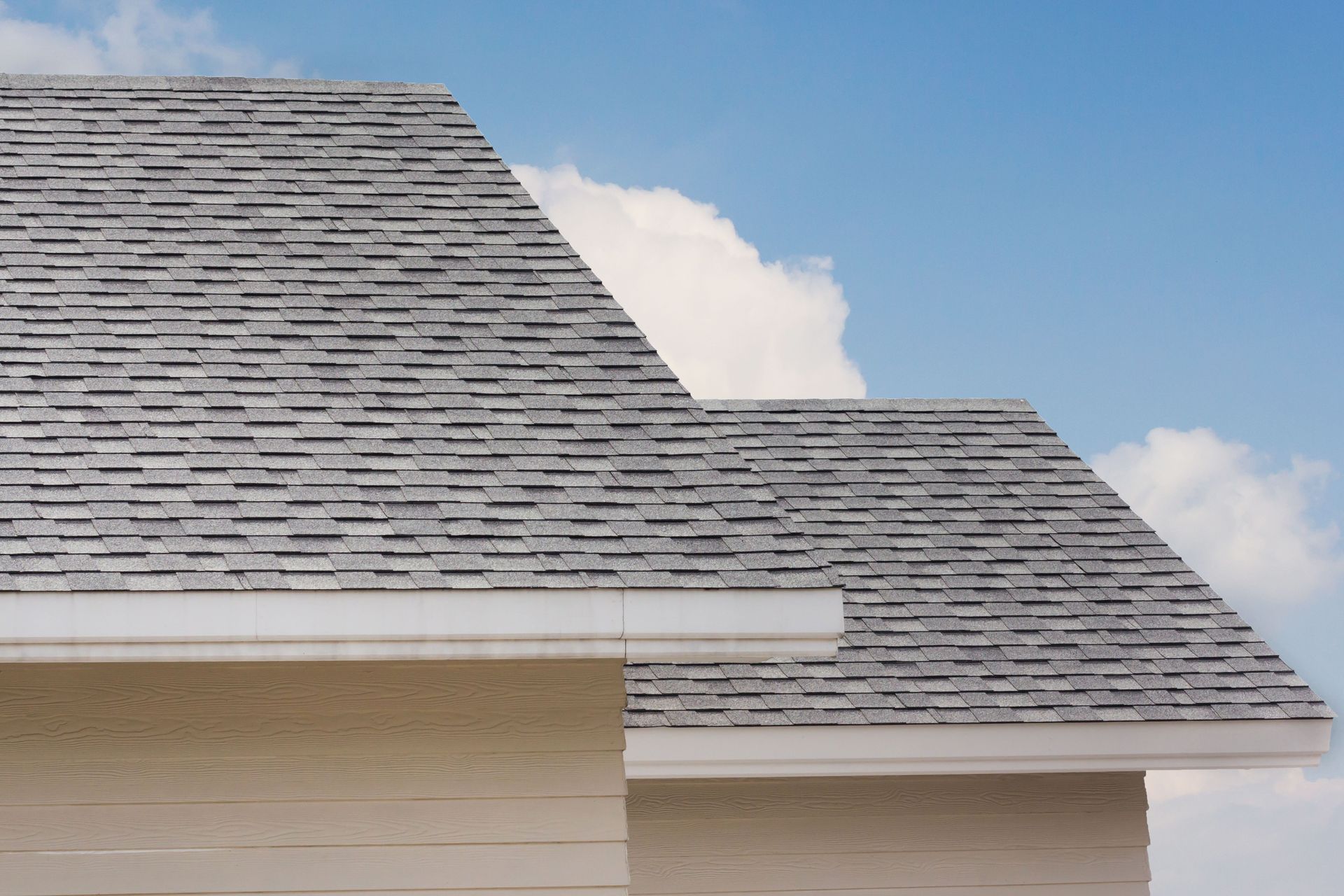
One of the most popular materials for roof replacements is asphalt shingles due to their affordability and versatility. They offer a wide range of colors and styles, making it easy to match the aesthetic of any home. Asphalt shingles are also relatively easy to install, which can reduce labor costs. However, their lifespan is generally shorter compared to other materials, requiring more frequent replacements. Despite this, their cost-effectiveness makes them an appealing option for many homeowners.
Metal Roofing
Another popular material is metal roofing, known for its durability and longevity. Capable of withstanding extreme weather conditions, metal roofs often come with warranties of 40 to 70 years, in our experience. In addition to their resilience, metal roofs are energy-efficient, reflecting solar heat and reducing cooling costs. While the initial investment for metal roofing is higher than that of other materials, its long-term benefits can offer considerable savings. For homeowners seeking a sustainable and long-lasting roof, metal is an excellent choice.
3. Selecting a Qualified Roofing Contractor
Checking Credentials and Licenses
When selecting a roofing contractor, verifying credentials and licenses is a critical step. A licensed contractor is more likely to comply with state and local regulations, assuring homeowners of their legitimacy. Licensing often requires passing examinations and proving industry experience, which speaks to the contractor's competence. Homeowners should request to see certifications and inquire about any additional industry qualifications.
Reading Reviews and Testimonials
Reading reviews and testimonials provides valuable insight into a contractor's reliability and quality of work. Customer feedback highlights the contractor's strengths and potential areas of concern, guiding informed decision-making. Personally asking the contractor for references and contacting past clients directly is also beneficial. Good reviews and recommendations often correlate with dependable service and satisfactory results.
Understanding Warranty and Insurance
A comprehensive warranty is essential when investing in roof replacements. This typically covers the materials and craftsmanship, offering peace of mind for homeowners. Familiarizing oneself with the terms and conditions, including coverage periods and exceptions, is important. Additionally, a qualified contractor should also possess adequate insurance coverage, including general liability and workers' compensation. Insured contractors protect homeowners from potential financial losses due to accidents or unforeseen damage.
4. Reviewing the Roof Replacement Process
Inspection and Estimate
Roof replacements begin with an initial inspection to assess the roof's condition. A professional inspection identifies any existing damage, leaks, or potential issues that must be addressed. This step is crucial in providing an accurate estimate of the project's scope and associated costs. The contractor will evaluate multiple factors, including the roof's pitch, the need for repairs, and the choice of materials. A detailed estimate ensures transparency and facilitates budgeting for the project.
Material Selection
After the initial inspection, selecting the right materials is a pivotal part of the roof replacement process. Factors such as climate, aesthetics, budget, and durability should all be considered. Consulting with the contractor about the benefits and limitations of each material option is advisable. Most North American roofing projects, about 94%, according to BCC Research, involve replacements. This highlights the importance of material choice in longevity. Choosing the right materials impacts not just appearance but also the performance and maintenance needs of the roof.
Site Preparation
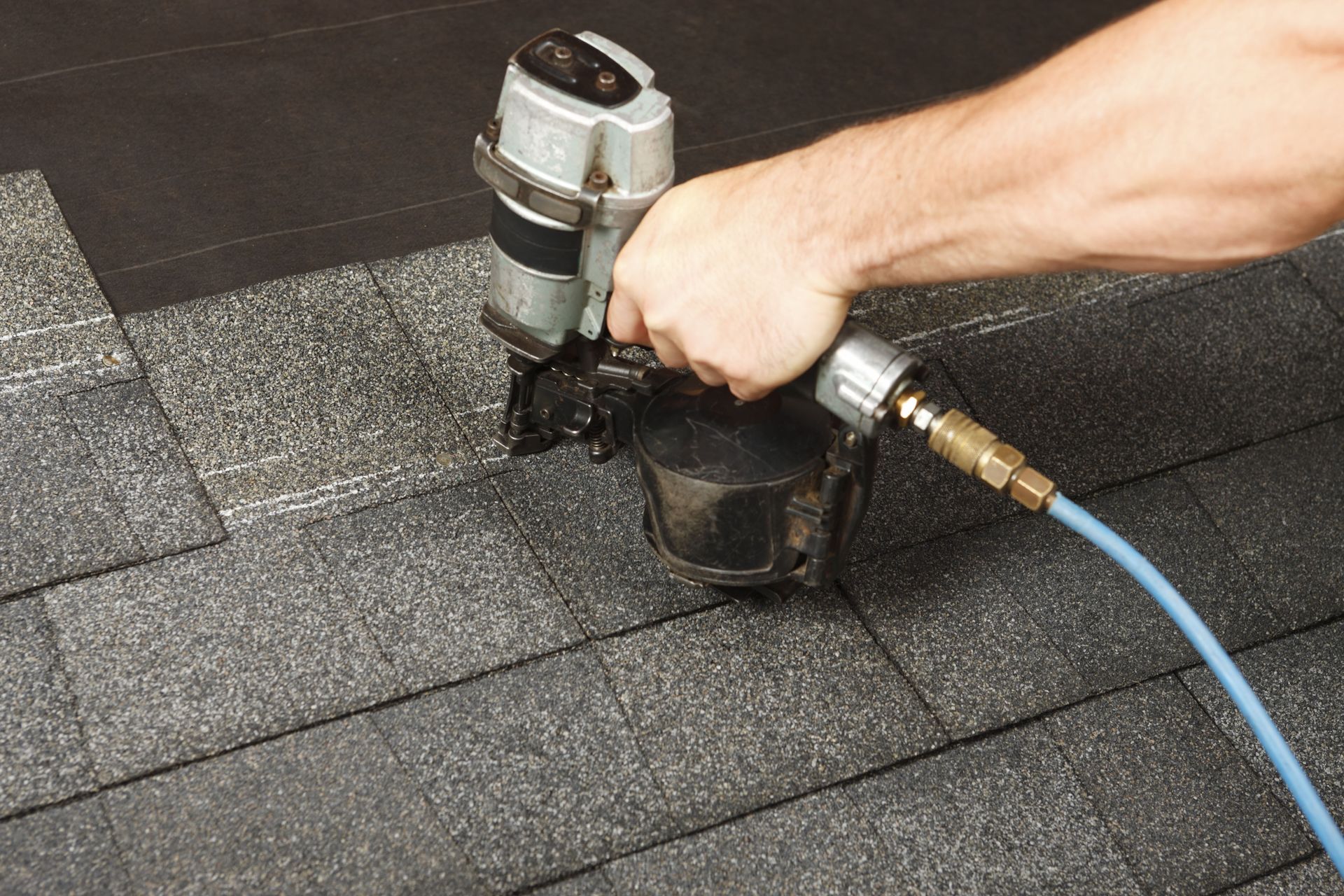
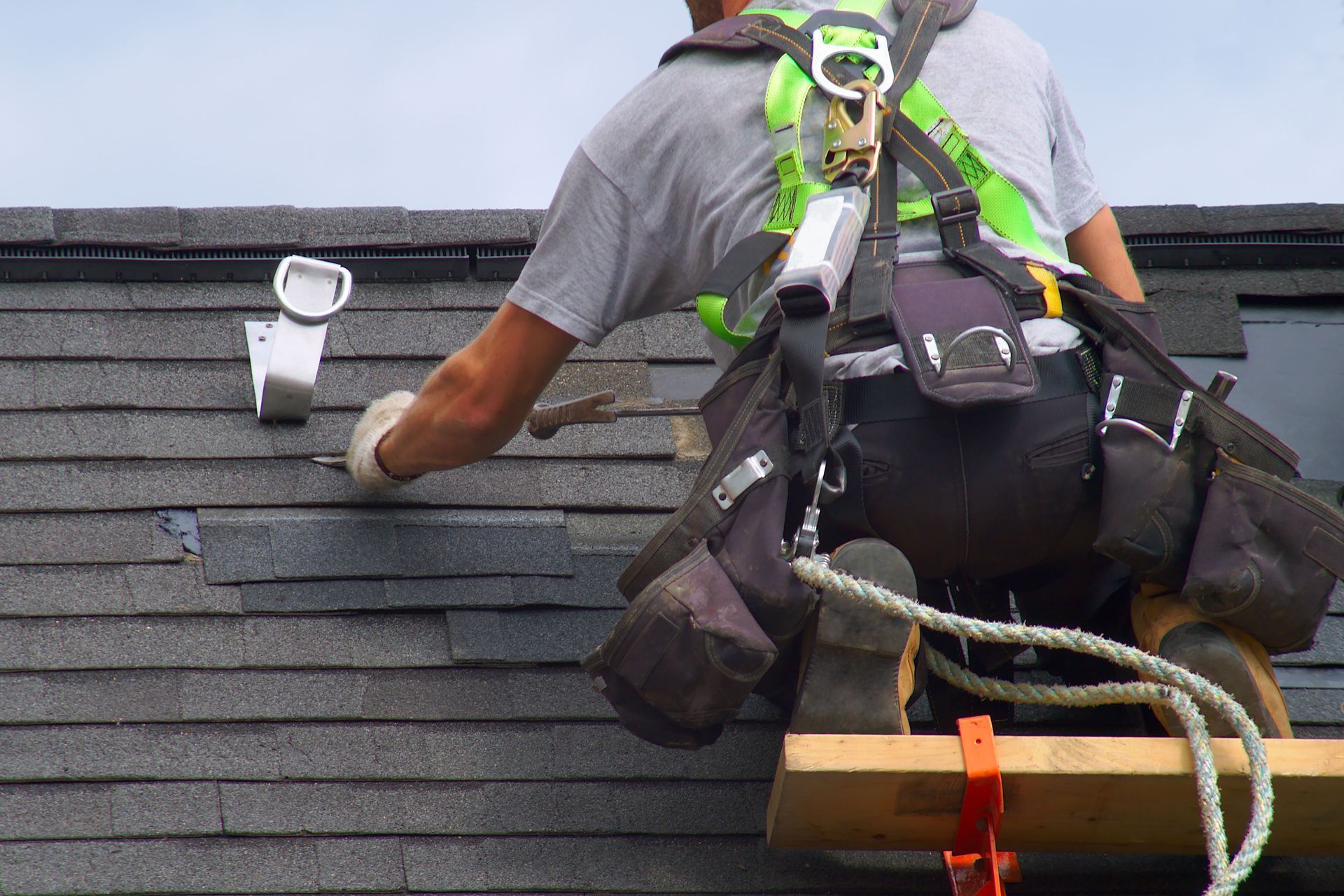
Preparing the site is a critical step before the installation can begin. This includes removing the old roofing materials, ensuring a clean and clear surface for the new installation. It also involves protecting landscaping and other areas around the home with tarps and boards to prevent damage. A thorough site preparation ensures that the new roofing materials are properly installed, adhering to safety standards. Preparation is key to avoiding complications during the installation phase.
5. Maintenance Tips for a Long-Lasting Roof
Scheduling Regular Inspections
Regularly scheduling inspections is essential to maintaining a long-lasting roof. Homeowners should conduct visual checks from the ground for signs of damage or wear after severe weather. Professional inspections every few years ensure small issues are detected and resolved before escalating into significant problems. These inspections should focus on shingles, flashing, and gutters to ensure all components are in good condition. Regular maintenance helps prolong the roof's life and prevents costly repairs.
Cleaning Gutters and Downspouts
Proper gutter and downspout maintenance play a vital role in roof longevity. Clogged gutters can lead to water accumulation, which may cause leaks or damage the roof structure. Regular cleaning, especially in fall and spring, ensures debris does not obstruct water flow. Installing gutter guards or screens can minimize buildup and reduce maintenance frequency. Maintaining clean gutters and downspouts guards against water damage to the roof and the home's foundation.
Addressing Minor Repairs Promptly
Addressing minor repairs promptly is crucial to maintaining a healthy roof. Ignoring small issues such as loose shingles or minor leaks can result in extensive damage over time. Homeowners should conduct routine checks and address any repairs immediately to prevent deterioration. Early intervention not only extends the roof's lifespan but also minimizes long-term costs. By proactively managing minor repairs, homeowners can avoid significant structural issues and expenses in the future.
Replacing a roof involves various critical decisions, from selecting materials to hiring a contractor. With a well-planned approach, the investment can result in a roof that offers durability, aesthetics, and added value to the home. By comprehensively exploring these factors, homeowners can make informed choices that enhance their property and safeguard against future issues. If you're looking for a contractor known for high-quality roof replacements, choose Cornerstone Home Improvements. Contact our team today to learn more!