Steve Hammond | January 8, 2026
January 8, 2026
Choosing the right roofing materials is one of the most important decisions a homeowner can make. With countless options to sort through, the process can feel overwhelming without expert guidance. Experienced roofers help simplify these choices by explaining how materials perform under different conditions and how they align with long-term goals. This article explores essential considerations to help homeowners make confident, well-informed decisions that support durability, energy efficiency, and visual appeal.
Understanding Material Performance and Selection Factors
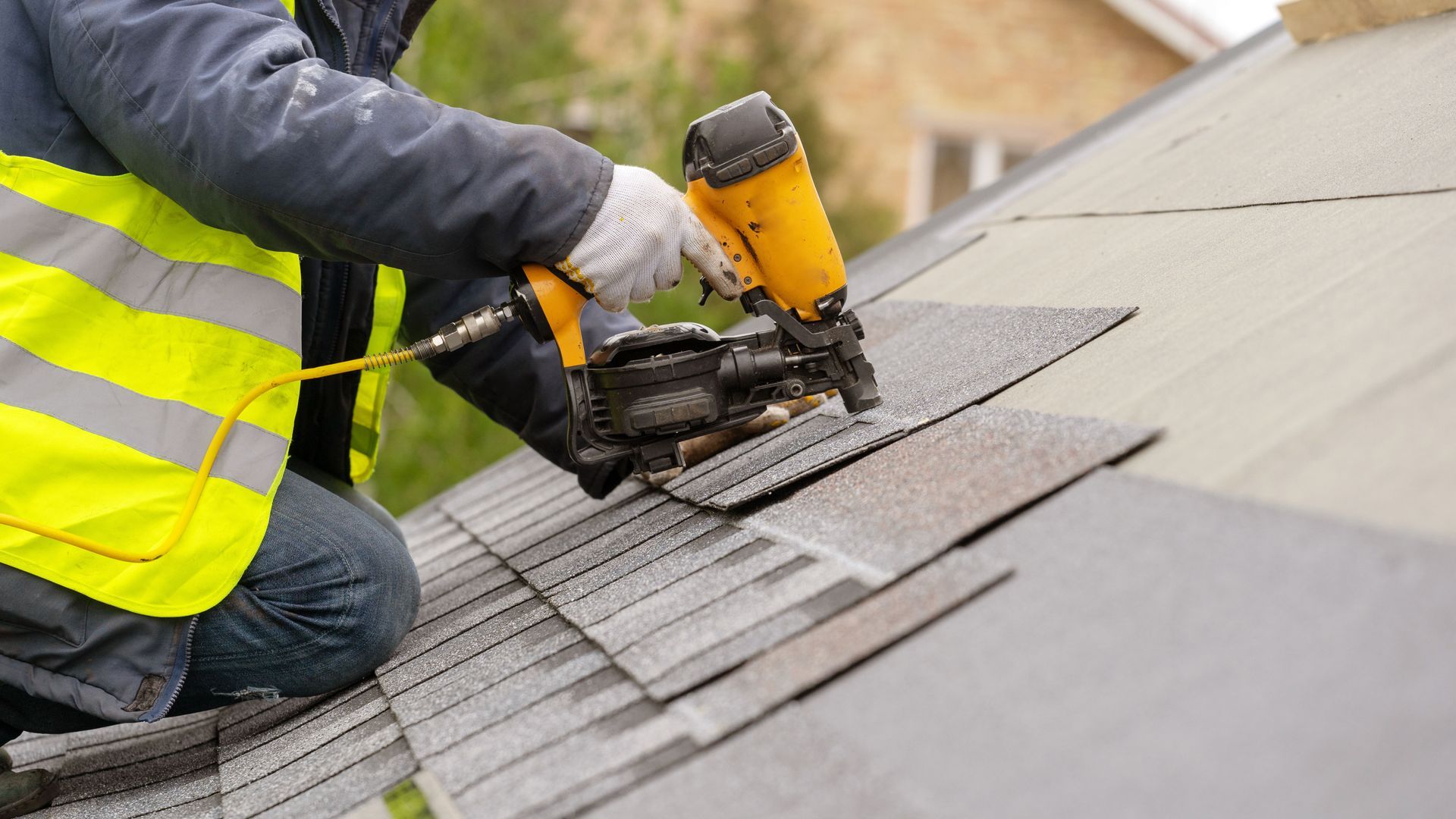
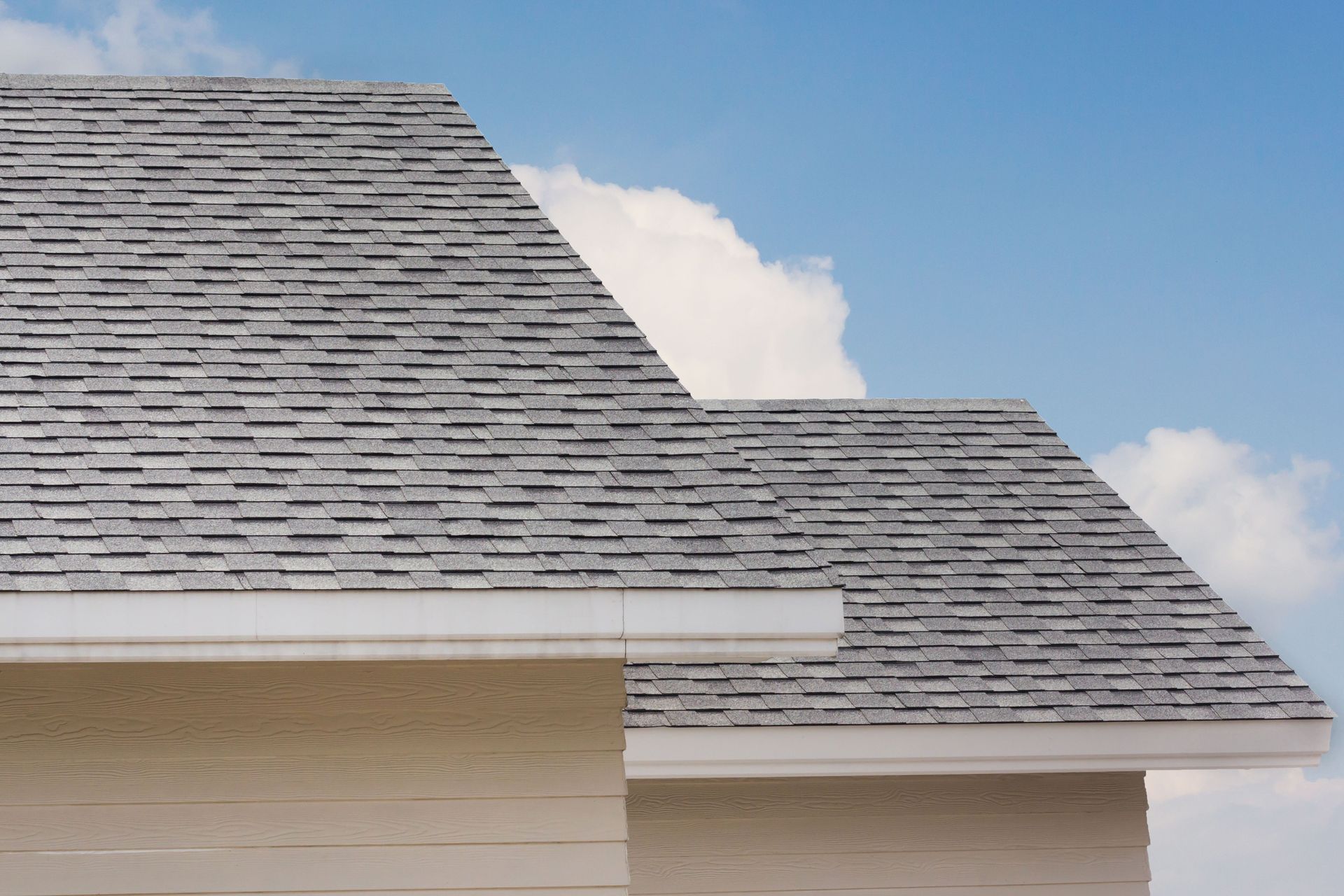
Asphalt shingles remain a familiar choice for many homeowners due to their dependable performance and wide aesthetic range. Their moderate weight, simple installation, and cost-effectiveness contribute to their ongoing popularity. According to Verified Market Reports, approximately 80% of homes in the U.S. are roofed with asphalt shingles, reflecting how well they balance affordability and ease of replacement in diverse climates.
Although asphalt shingles are versatile, homeowners should still consider how climate influences their performance. Prolonged exposure to heat, moisture, or severe storms may lead to quicker deterioration, making timely inspections essential. While premium versions, such as dimensional shingles, provide enhanced durability, they still require periodic evaluation to ensure they remain intact and watertight.
Choosing the right asphalt shingle involves assessing not only color and style but also resistance ratings and projected lifespan. Stronger varieties provide added reliability and improved curb appeal, especially when paired with an upgraded underlayment. Homeowners benefit from consulting trusted roofers who can recommend the best shingle type for their home's structure, location, and long-term expectations.
Assessing Metal Roofing for Long-Term Protection
Metal roofing has become increasingly sought-after for homeowners interested in longevity and modern style. Its resistance to fire, impact, and wind makes it highly suitable for areas with unpredictable weather patterns. Additionally, the reflective nature of metal helps reduce heat absorption, which may lower cooling costs and improve overall energy efficiency.
Metal panels come in numerous profiles and finishes, ranging from sleek contemporary designs to textured surfaces that resemble traditional materials. This flexibility makes metal roofing adaptable to both modern and classic architectural styles without compromising performance. The low maintenance requirements further enhance its appeal, providing peace of mind for homeowners looking to reduce long-term upkeep.
However, the initial cost of metal roofing tends to be higher than alternatives like asphalt. Homeowners should weigh the substantial lifespan against upfront expenses to decide whether the investment aligns with their long-term plans. Working with skilled roofers ensures proper installation, which is vital for preventing noise issues and managing natural expansion and contraction of the metal.
Recognizing Specialty Materials and Their Unique Advantage
Clay and concrete tiles are admired for their classic appearance and remarkable durability. Their heavy composition contributes to excellent insulation capabilities, helping to stabilize indoor temperatures throughout the year. When maintained correctly, these materials can last several decades, making them a strong option for homeowners prioritizing longevity.
Because of their weight, clay and concrete tiles require a strong roof structure for support. This often means that additional reinforcement may be necessary prior to installation. Although this increases upfront cost, the long service life and minimal maintenance needs often offset the initial investment.
The range of shapes, finishes, and colors available for clay and concrete tiles allows significant design flexibility. Glazed options provide enhanced weather protection and long-lasting color vibrancy. Homeowners can rely on knowledgeable roofers to help determine which tile options complement both the architectural style of the home and the specific environmental conditions of the region.
Reviewing Wood Shingles and Shakes for Natural Appeal
Wood shingles and shakes introduce a warm, distinct aesthetic that cannot be replicated by synthetic materials. Their organic variation and rich texture give homes a timeless charm. When sourced from sustainable forestry programs, they also provide an environmentally conscious alternative.
However, wood roofing requires committed maintenance to prevent issues such as rot, mold, and insect activity. Homeowners must be prepared for routine treatments and inspections to maintain structural integrity. Fire-resistant coatings and proper underlayment systems can significantly enhance safety and performance, especially in regions susceptible to wildfires.
Wood roofing does provide moderate insulation advantages, helping to stabilize interior temperatures in cooler climates. Its relatively low weight also reduces structural strain. Consulting experienced roofers helps homeowners evaluate whether the aesthetic benefits are worth the required maintenance and whether the home's environment is suitable for natural wood materials.
Analyzing Culture-Related Climate Considerations
Homes located in rainy or storm-prone regions need roofing materials that excel at water resistance. Metal roofs and slate tiles are strong performers due to their impermeable surfaces and efficient water-shedding capabilities. In contrast, asphalt shingles may require enhanced underlayment systems to prevent moisture intrusion in these challenging environments.
Strong winds also pose a significant threat in stormy climates. Heavier materials offer natural resistance to displacement, while metal systems provide excellent uplift protection when properly installed. Ensuring secure fasteners and reinforced connection points greatly improves reliability during extreme weather.
Homeowners in these climates should prioritize regular inspections to identify potential vulnerabilities before storm seasons begin. Issues like loose flashing or lifted shingles can quickly worsen during heavy rains or high winds. Roofers with regional expertise offer valuable insight into the best installation methods and supplemental protective measures.
Optimizing Roofing for Hot and Humid Environments
High temperatures combined with humidity introduce challenges involving heat retention, moisture buildup, and material deterioration. Reflective roofing materials, such as metal and specialty-coated shingles, help reduce heat absorption and improve energy performance. Clay tiles also perform well in hot climates due to their natural cooling properties.
Humidity may cause algae growth, wood decay, or premature aging of some roofing materials. Choosing algae-resistant shingles or moisture-resistant options can help maintain roof appearance and structural health. Adequate ventilation is essential, as it prevents trapped moisture from affecting attic insulation or wood framing.
Effective roofing in humid zones depends equally on proper installation techniques. Strategic ventilation design, protective underlayment, and sealants help reduce long-term deterioration. Working with roofers experienced in hot and humid climates ensures that the material selected performs well under persistent heat and moisture exposure.
Weighing Value and Long-Term Performance
The cost differences between roofing materials can be substantial, but initial price alone rarely tells the whole story. Asphalt shingles may be affordable upfront, yet their lifespan is shorter than materials like slate or metal. Homeowners evaluating long-term value should consider replacement frequency, maintenance needs, and how the material performs over time.
More durable materials tend to cost more initially but often yield savings through reduced maintenance and fewer replacements. Energy efficiency should also be considered; reflective and insulating materials can significantly reduce utility bills in certain climates. These financial advantages may justify a higher upfront investment.
All roofing materials require some level of maintenance, but the frequency and cost differ widely. Slate and metal typically require minimal care, while wood shakes demand frequent cleaning and treatment. Knowing these requirements ahead of time helps homeowners plan for upkeep appropriately.
Selecting the right roofing material requires balancing aesthetics, durability, climate suitability, and long-term cost considerations. With proper guidance from professional roofers, homeowners can confidently evaluate which materials best meet their needs. By taking a thoughtful, informed approach, homeowners can achieve a roofing system that enhances protection, efficiency, and lasting value. Get in touch with Cornerstone Roofing & Home Improvements before your next roofing project to ensure the best possible results.